
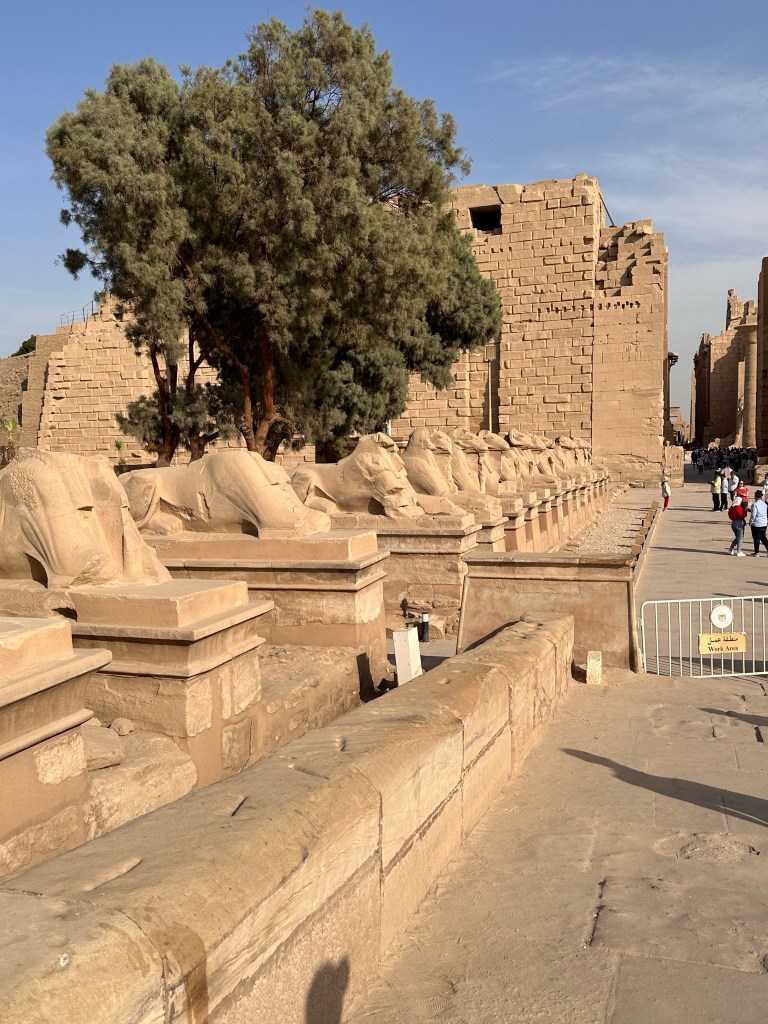
From a Biblical point of view, the Middle Kingdom is very important and exciting. This was the period of Egyptian History that saw Joseph, his father Jacob and 70 of his relatives coming to Egypt (Genesis 37-50). They remained in Egypt after the group arrived for 430 years (Exodus 12:40-41).
Joseph was 17 when he arrived, 30 when he became the vizier of Pharaoh, after predicting the next great famine. He was probably 39 or 40 when his family came to Egypt when their food ran out. He lived and helped Egypt for many years and was remembered by later Egyptian Pharaohs until the time of foreign rulers called the Hyksos.
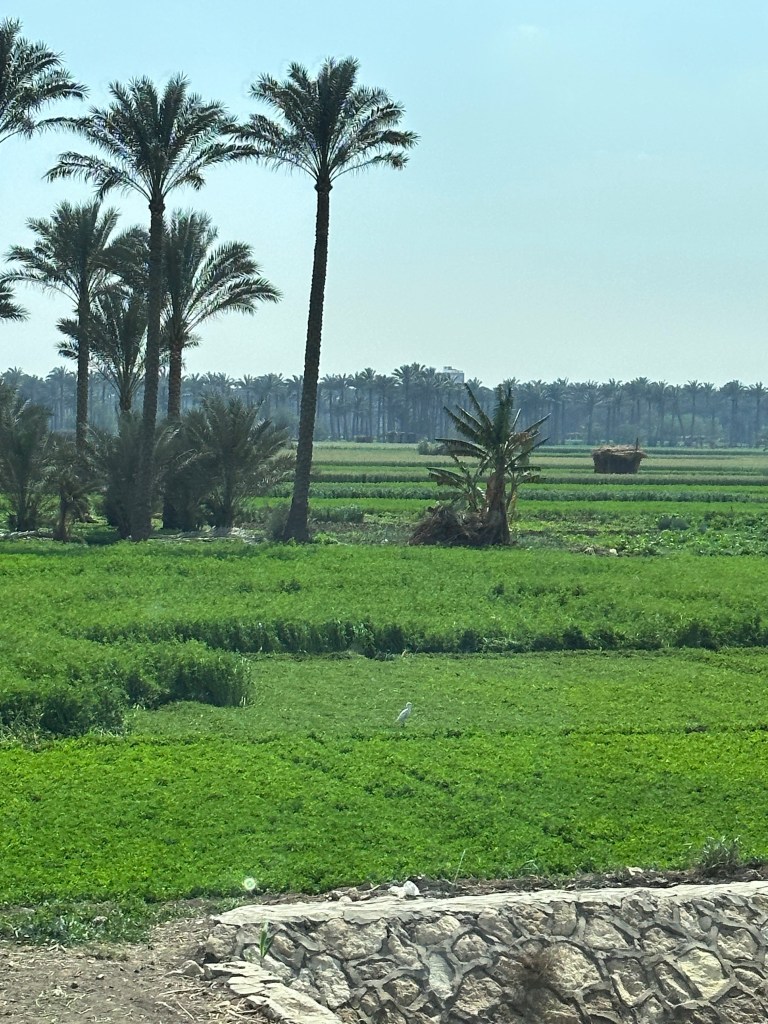
He died at 110 years old, was embalmed, Egyptian style, and taken back to the Promise land with Moses and the Hebrews (Promise made in Genesis 50:25)
With the date of the Exodus at 1446, based on I Kings, this indicates that Joseph came to Egypt in the middle to late 12Th Dynasty. Evidence in Egyptian history states that during this time a dynamic vizier emerged during the reign of Amenemhat III (Ahku, overseer of Fields). Amenemhat III was credited, as the Pharaoh of this time, with the canal into el Fayum from the Nile, called Bahr Yussef (Joseph’s Canal or river). The Regional rulers were reduced in power as the land came back to Pharaoh ownership, (Genesis 47:13-26). Evidence of increased productivity and grain storage can be found at Fayum and other regional areas as stated in Genesis in preparation for the 7 years of famine.
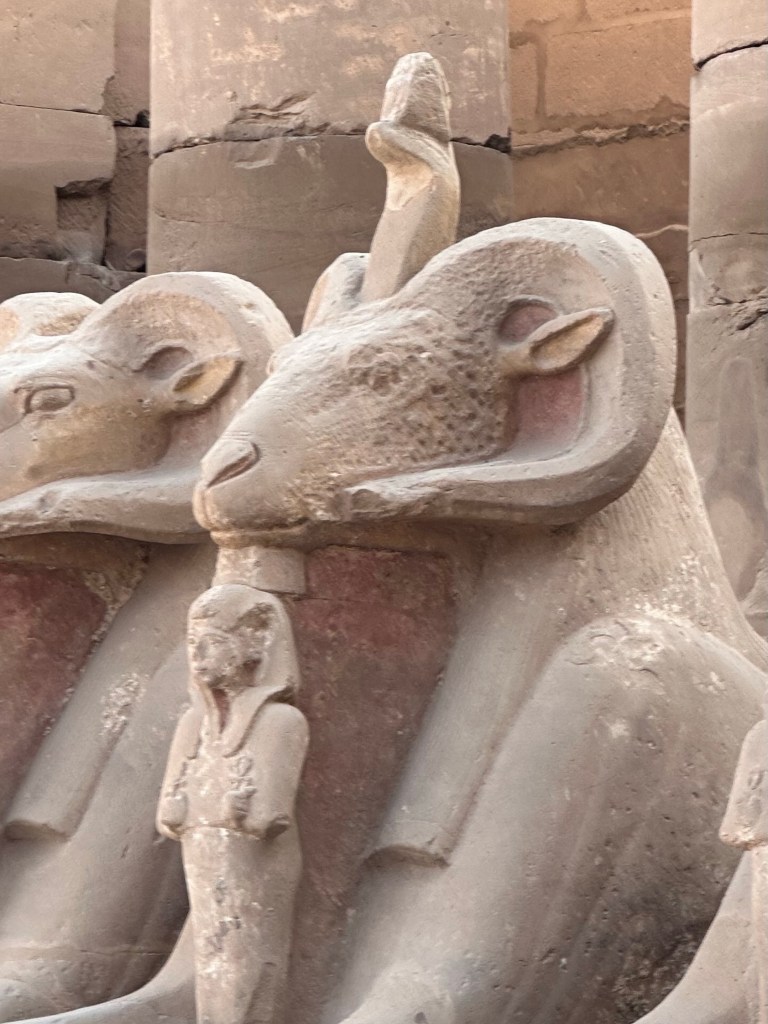
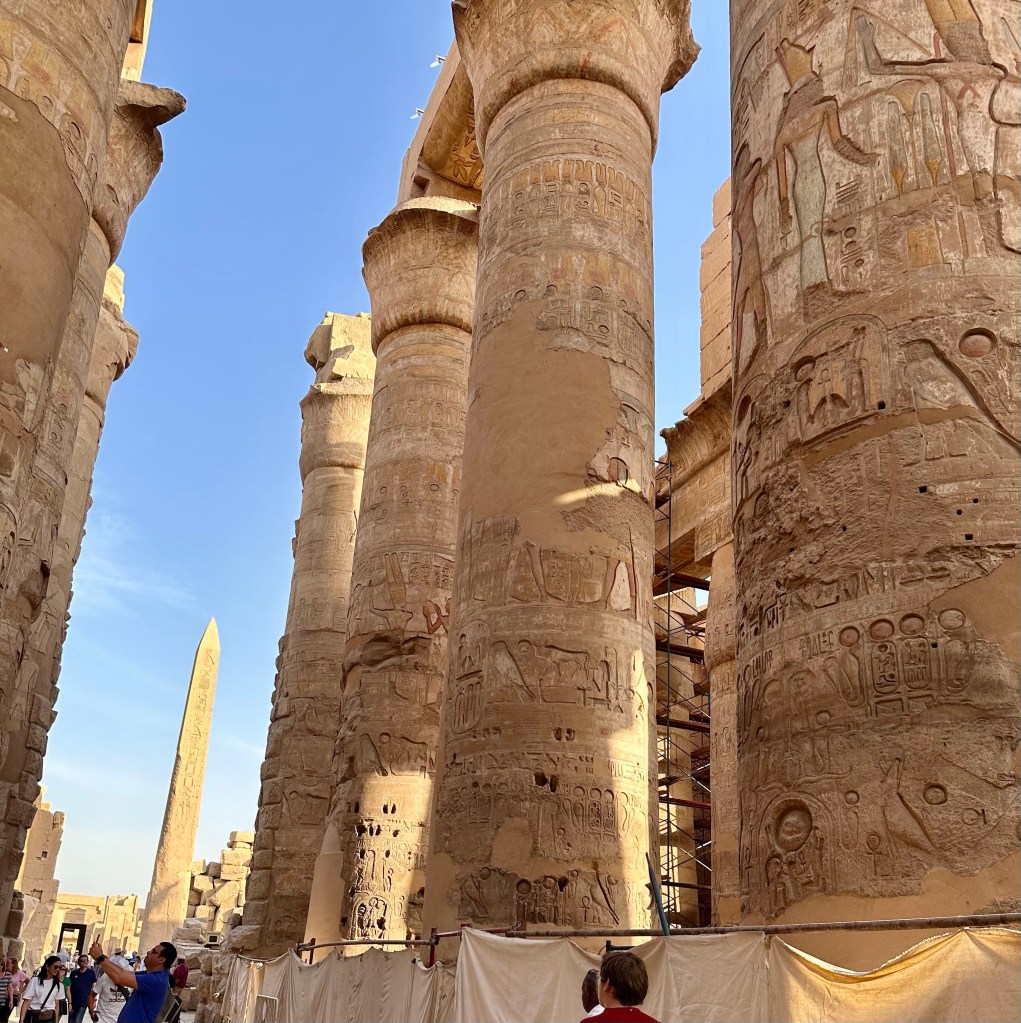
Outside of the temple at Karnak (1000 years is the making from the Middle Kingdom on), we did not visit any Middle Kingdom sites. Thebes (Luxor) was the capital, El Fayum was the resort location of the nobles. Most of what I have seen of the Middle Kingdom has been in Manhattan at the Metropolitan Museum of Art. Most of the Egyptian artifacts in Egypt have been moved from the Cairo Museum (which we did visit) to the Greater Egyptian Museum (GEM) which has not opened yet but was to open in 2014, 2018 (before my first trip) and November, 2022 before this trip!
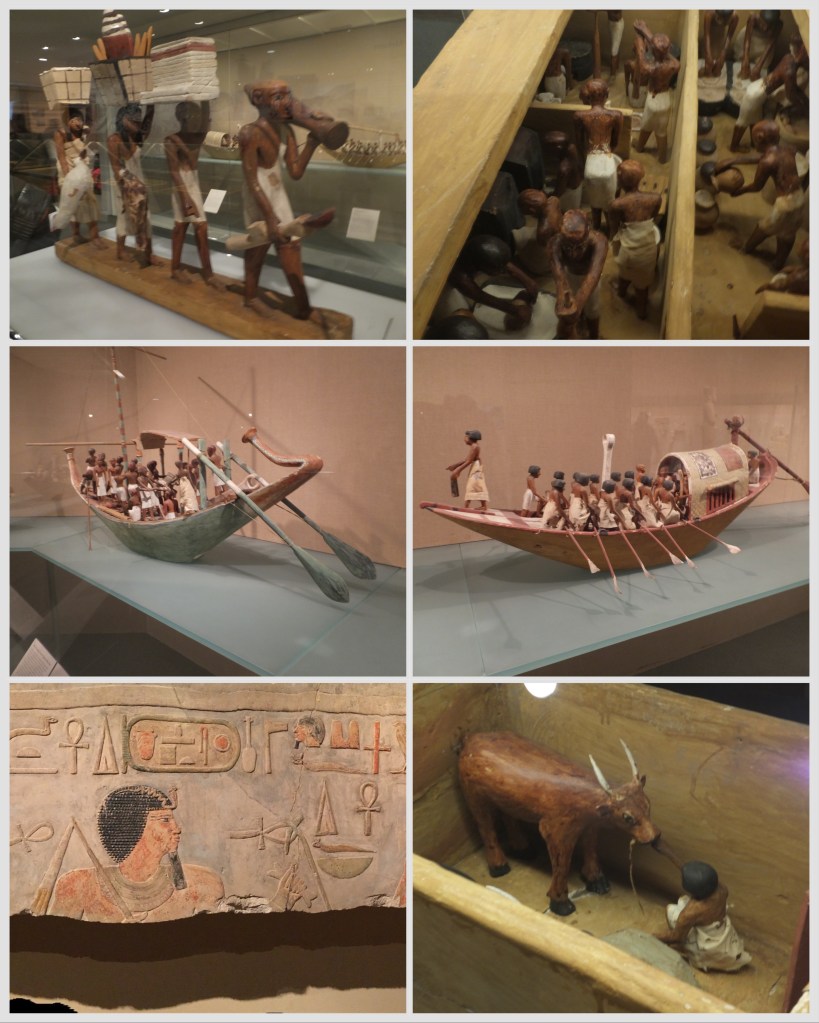
Amenemhat I in Thebes. 1/2 of the find from 1920 MET archeological dig is at the MET 1/2 is now at the GEM museum. The image at the bottom left is of Amenemhat I of the Middle Kingdom.
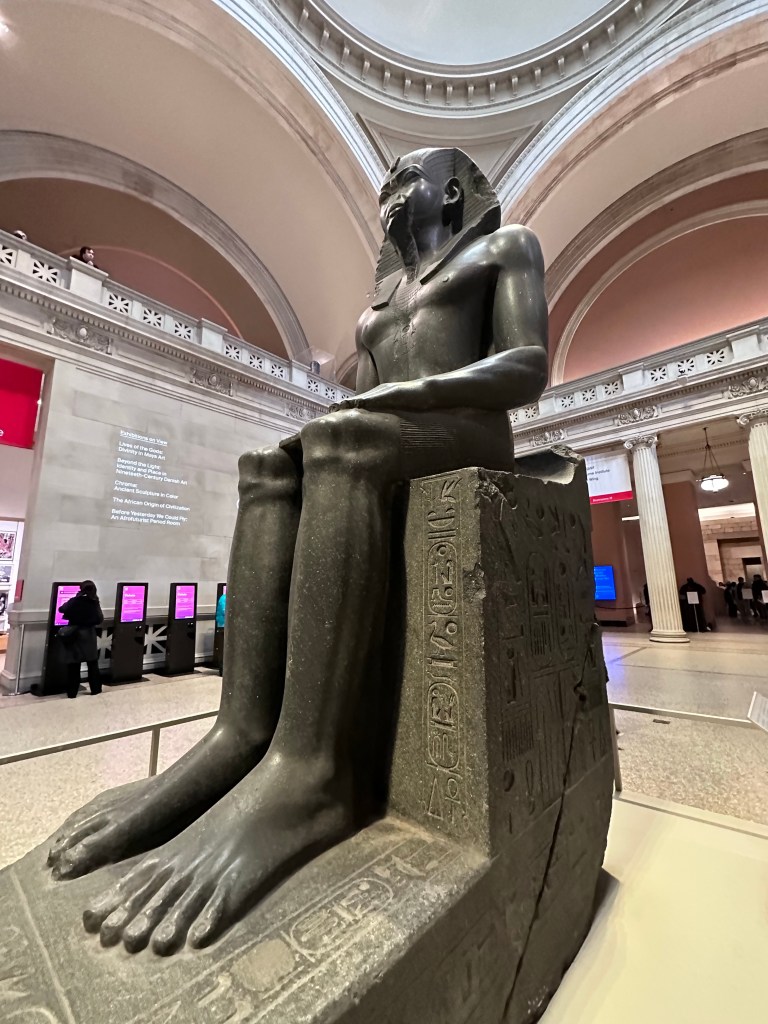

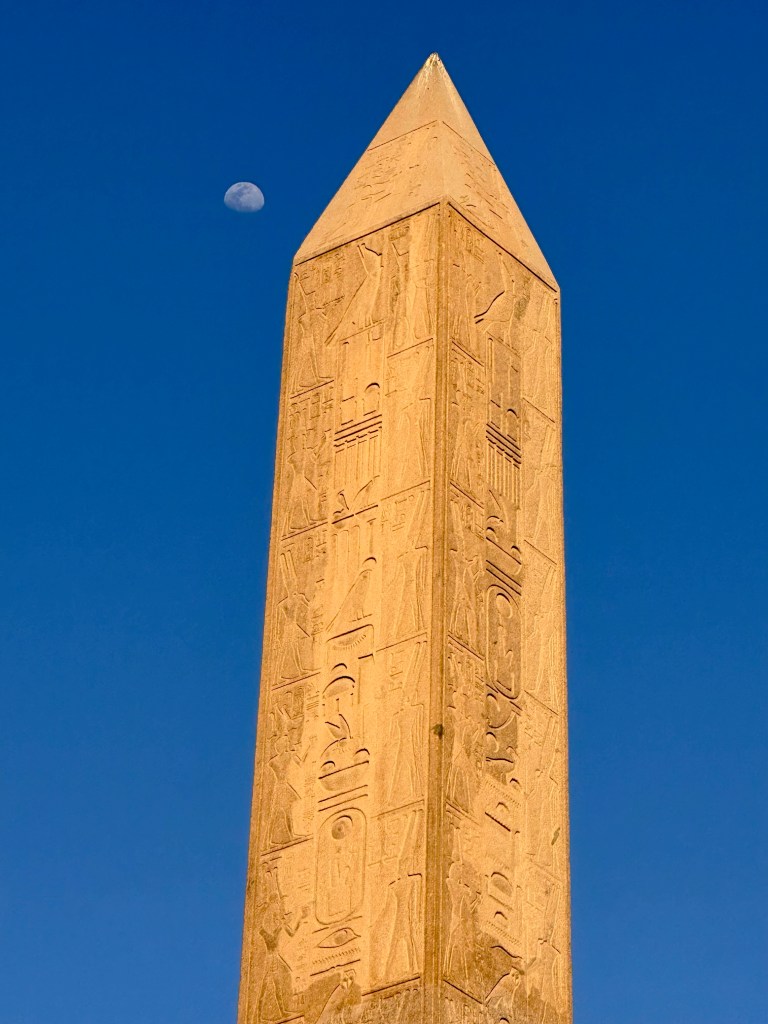
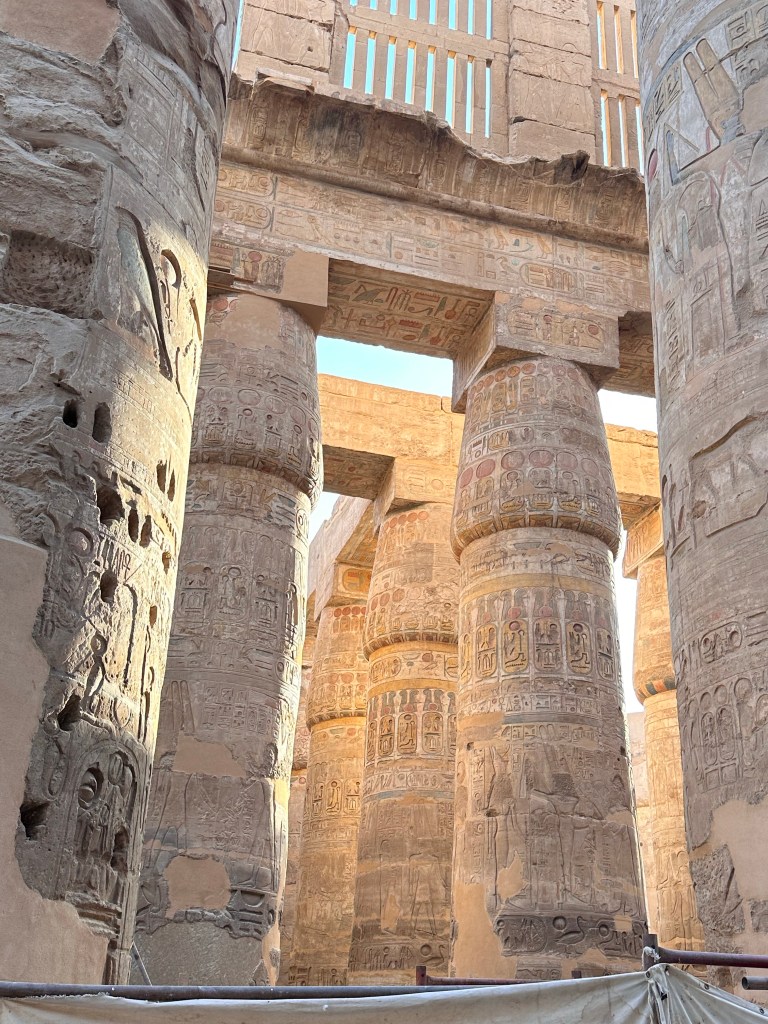
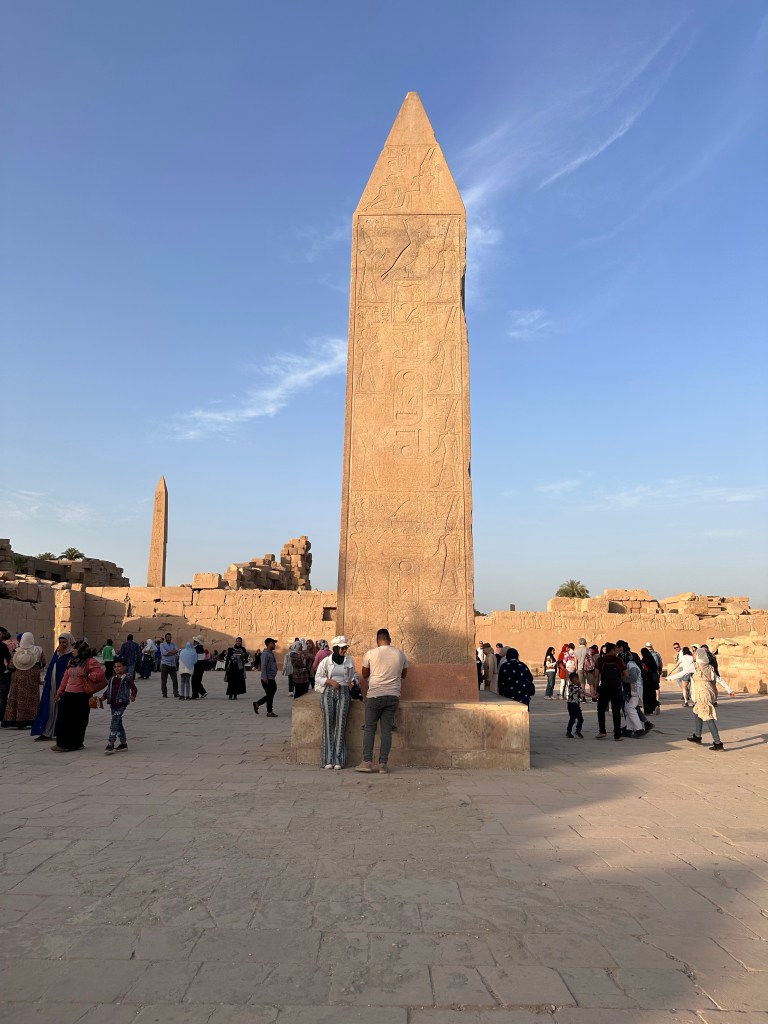
Temples were used for worship, schools, and hospitals. The temples of Karnak and Luxor were the royal schools, where Moses, as Pharaoh’s daughter’s son would have studied.

 Ellen’s Travel Journal 2016-2025
So much History with incredatable puctures. I love it Ellen!
LikeLiked by 1 person
Love these posts
LikeLiked by 1 person