
June 18, 2023 from Warsaw, Poland
Over the centuries the Jews living in Poland were not able to own property, however they were essential to the development of Poland, as craftsmen, university professors, doctors, artists, musicians and writers. Because of their career choices and willingness to work hard, they prospered.
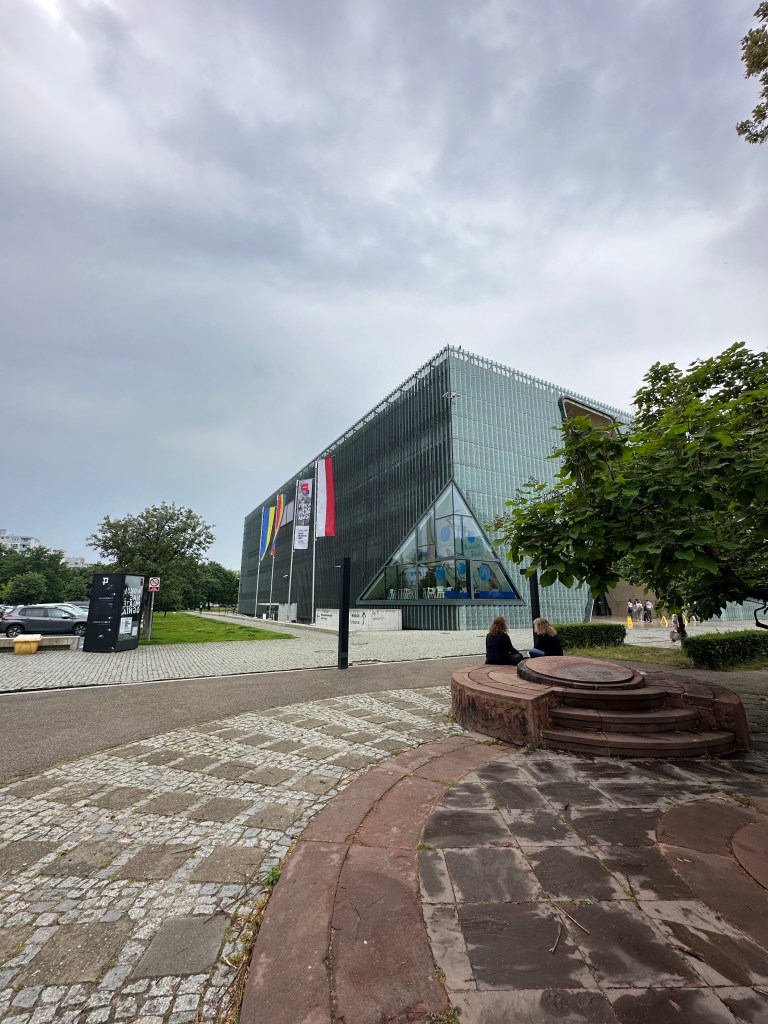
A building in the former Warsaw Jewish Ghetto is the site of an excellent multimedia museum that presents the more that 1000 years of Jewish history in Poland. It was dedicated in 2013 on the 70th anniversary of the Warsaw Ghetto Uprising.
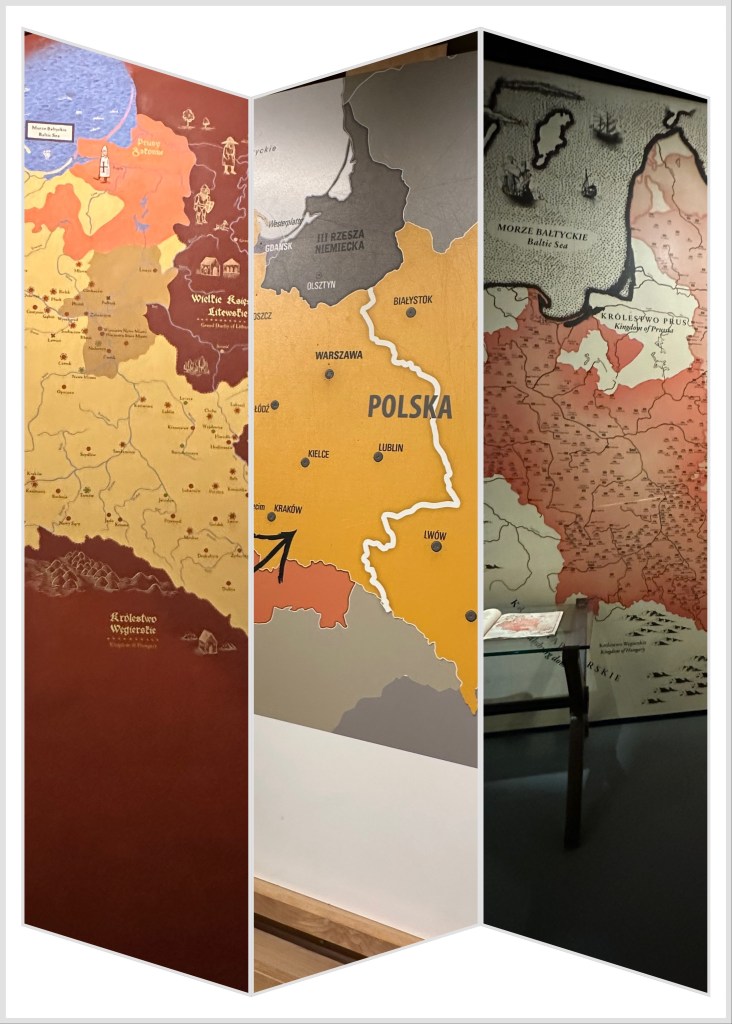
The museum outlines the history of Poland under many foreign rulers especially after the 16th century. Maps show that the borders of Poland have changed over the centuries as each set of conquerors has partitioned the country in different ways.
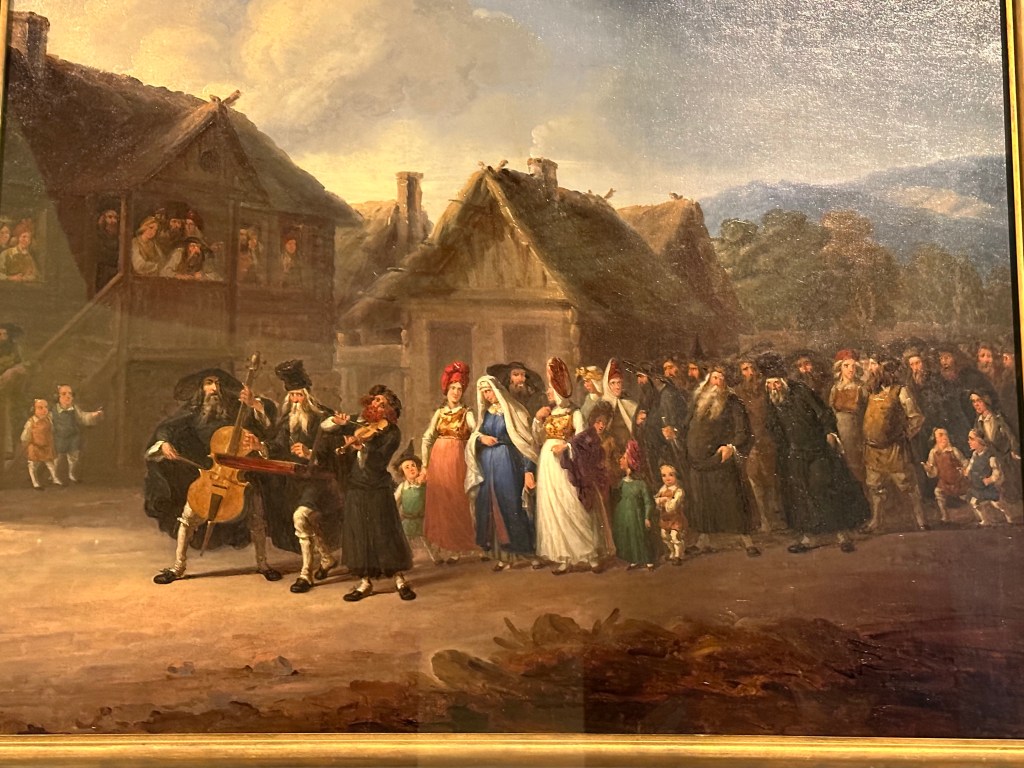
Life still went on as couples married, the people prospered and worshiped in beautiful synagogues.
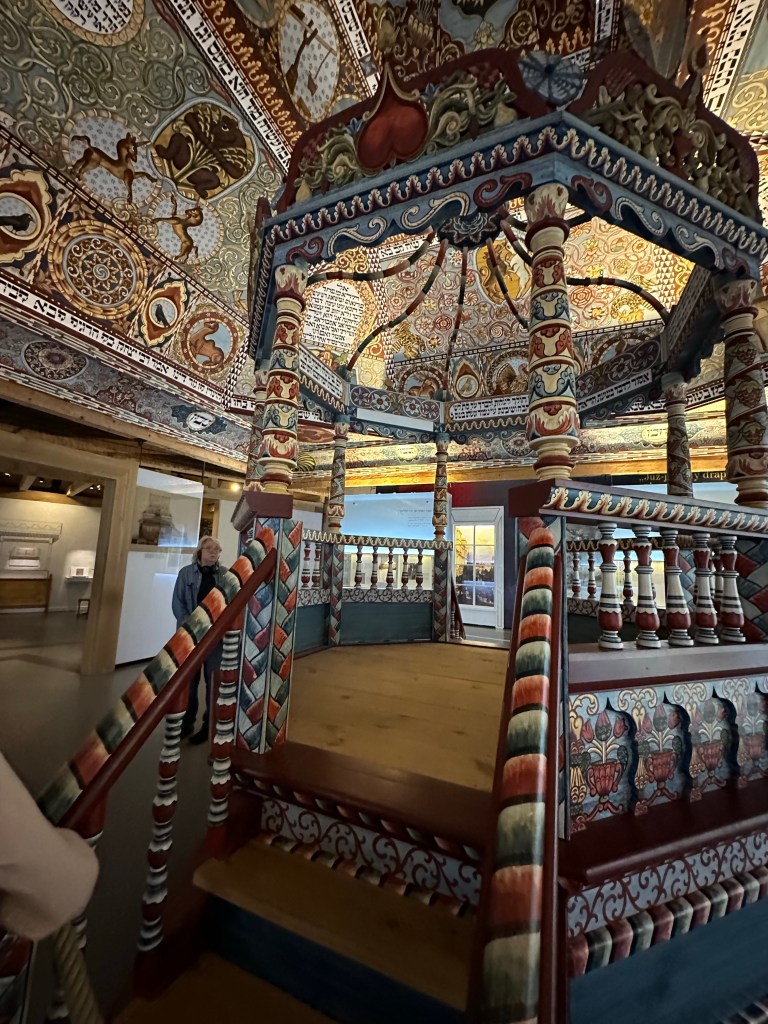
At the beginning of the 20th Century, Poland was the home to over 4 million Jews. Politically they were of three groups, Haskalah who promoted the rule of the Rabbi, Socialist Labor followers of Karl Marx, and Zionists who sought a secular home in the land of Israel.
In 1939, Hitler attacked and captured Poland and World War II began. Hitler wanted to eliminate all Jews so he began his plan in Poland, setting up work camps, concentration death camps. He rounded up all the Jews is cities, moved them into small areas, built a wall to keep them contained.
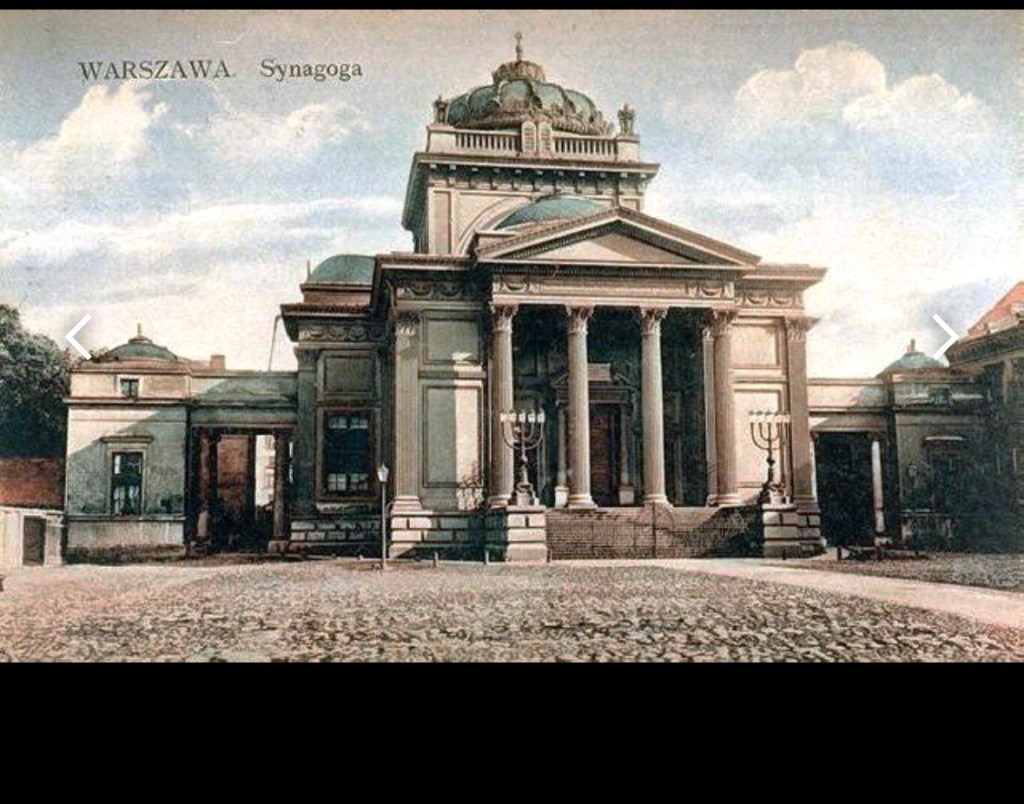
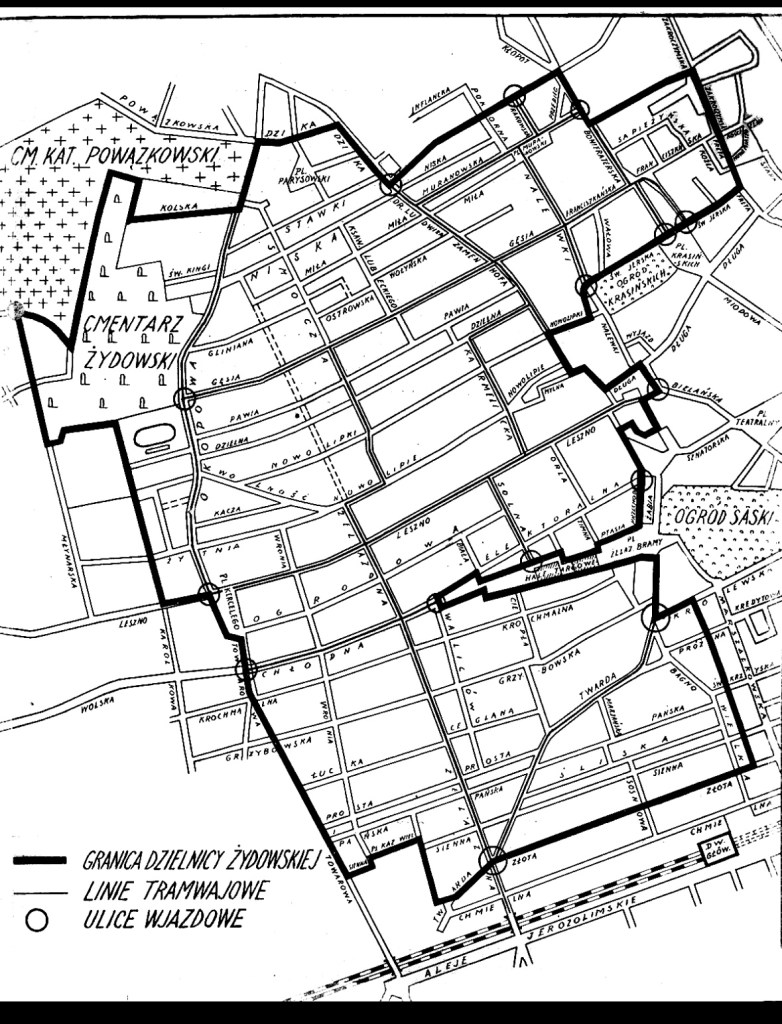
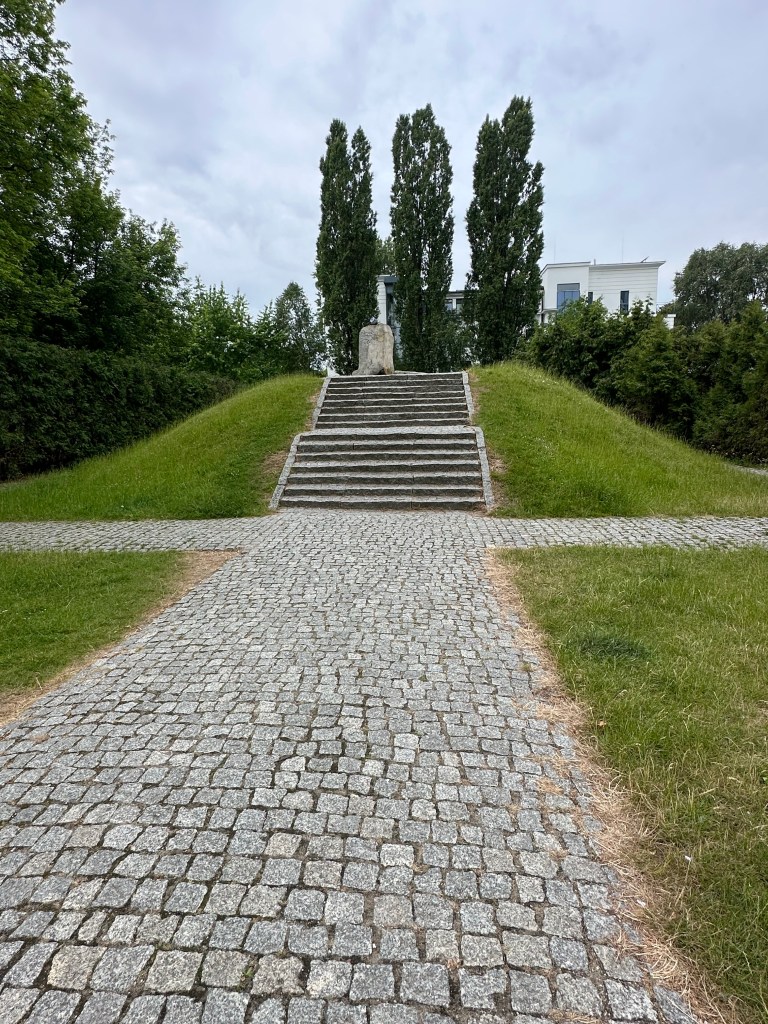
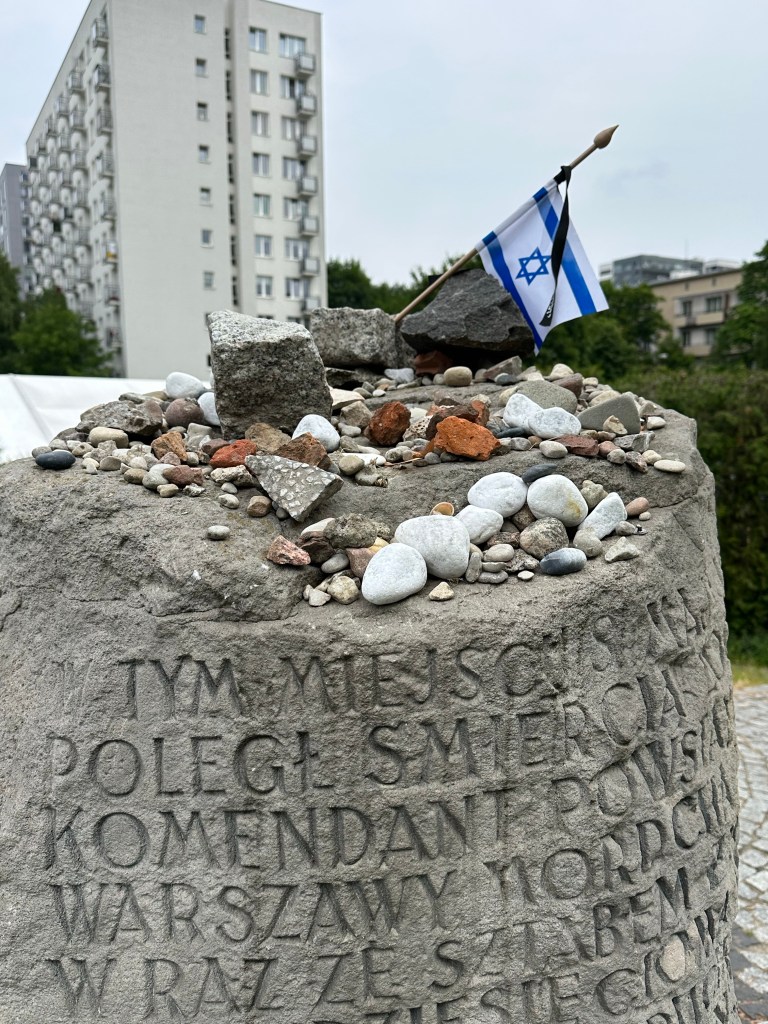
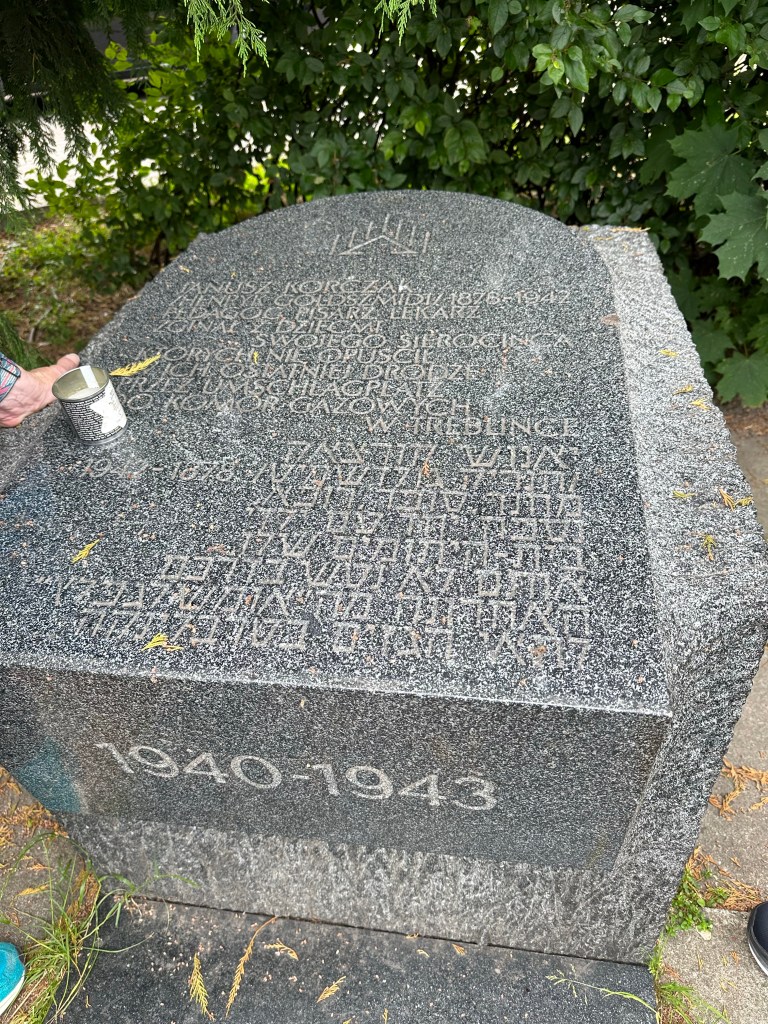
After WW II the Jewish population of Poland had been reduced by 90% as 3.3 million Jews had been exterminated. Poland under the Soviets was not better that during the war, so most of the Jews in Poland emigrated to either Israel or to the United State. Memorial are around the Ghetto area such as the ones below.
More on the Jewish uprising tomorrow.
Ellen

 Ellen’s Travel Journal 2016-2025
The Jewish Wedding painting 🖼️ is incredible! Thanks for sharing Ellen!
LikeLike