
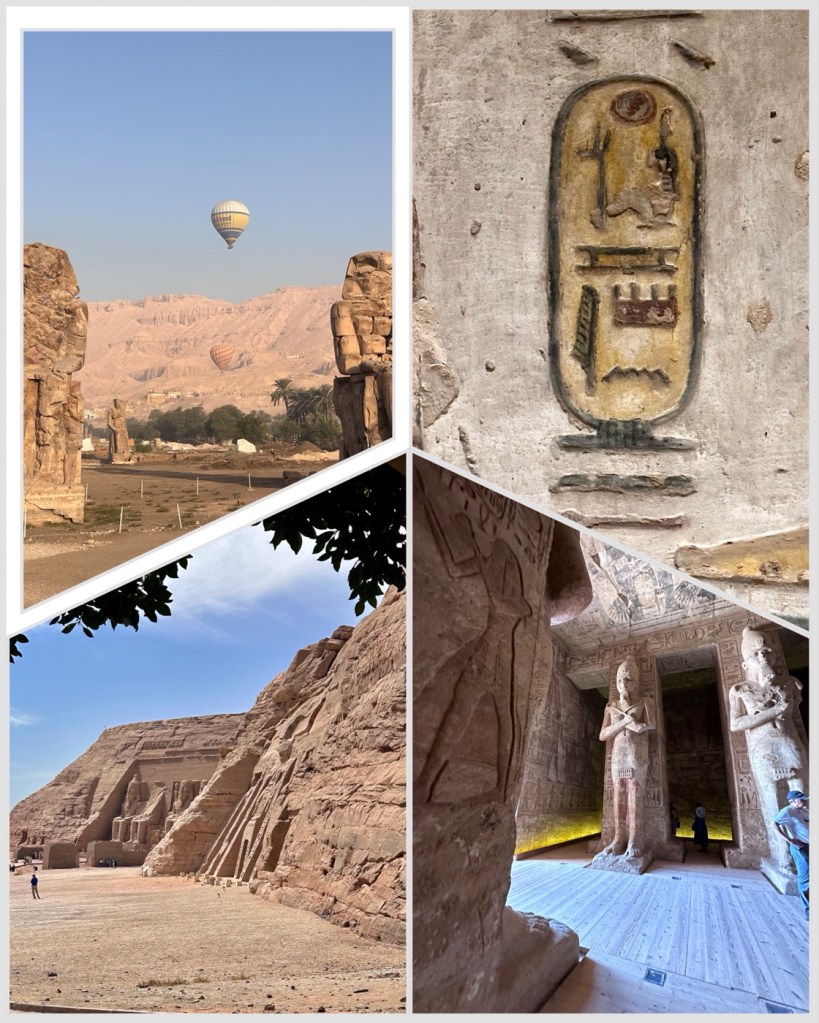
Visiting Egypt today gives the visitor wonderful opportunities to discover the art and history of 18th through 21st Dynasties of Egypt (1550BC-1075BC) which is called the New Kingdom.
In Thebes and upper Egypt beyond Aswan the visitor finds wonderful examples of these Egyptian Kings or Pharaohs.
From the capital city of Thebes (modern Luxor), these rulers instead of building pyramids chose to create beyond the fertile land, mortuary temples and burial sites by digging into the solid rock mountains in the Valley of the Kings.
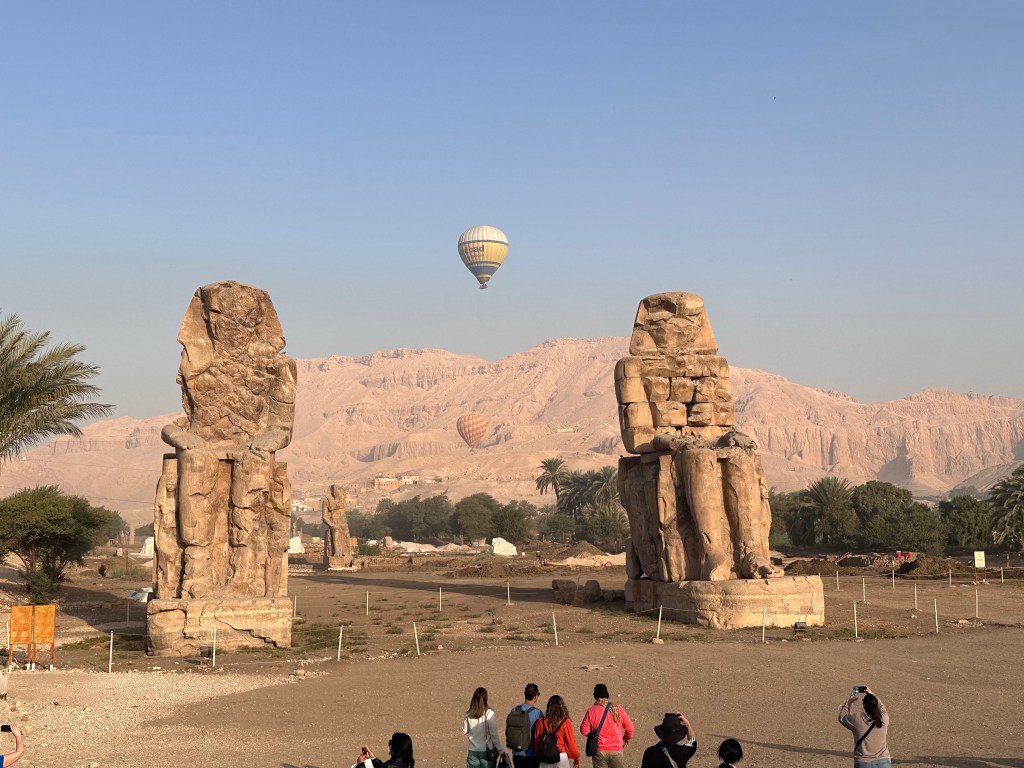
Entering from across the Nile, our first sight is the Colossi of Memnon, two 60 foot, 720 ton statues of Amenhotep III (1387-1350 BC). These gigantic sitting statues stood at the entrance of his mortuary temple, destroyed by an earthquake in 1200 BC. The earthquake broke the statues too, but they remained upright! The ancient Greeks thought they could hear the voices of the ancient Egyptians as the wind went through the cracks in the statues.
KV 1-64. The Valley of the Kings
As soon as a new Pharaoh was crowned with the double crowns of upper and lower Egypt, the teams of workers began to work on the burial site and mortuary temple for that Pharaoh.
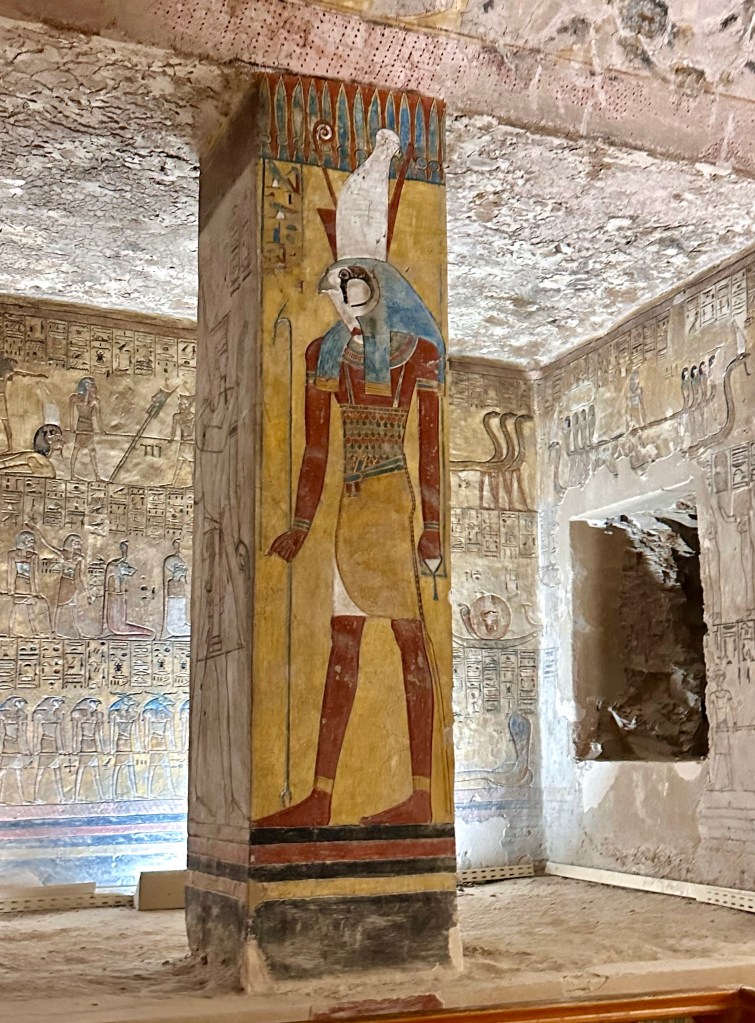
A team of workers would carve out the entrance and rooms from solid stone of the hillside. Next, plaster would be placed on the smooth walls of the tomb by another team of experts. Artists would be next who would remove some of the plaster and carve the designs into the walls. Last would come the painters who would give the images life with color. This process would take years and hundreds of workers.
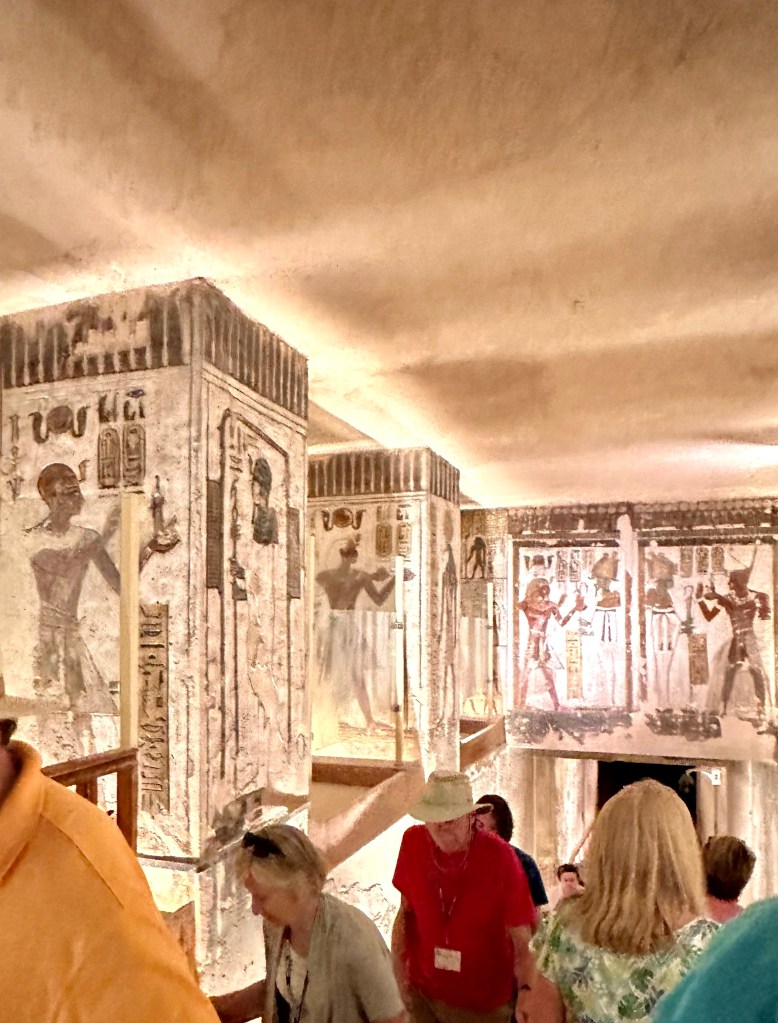
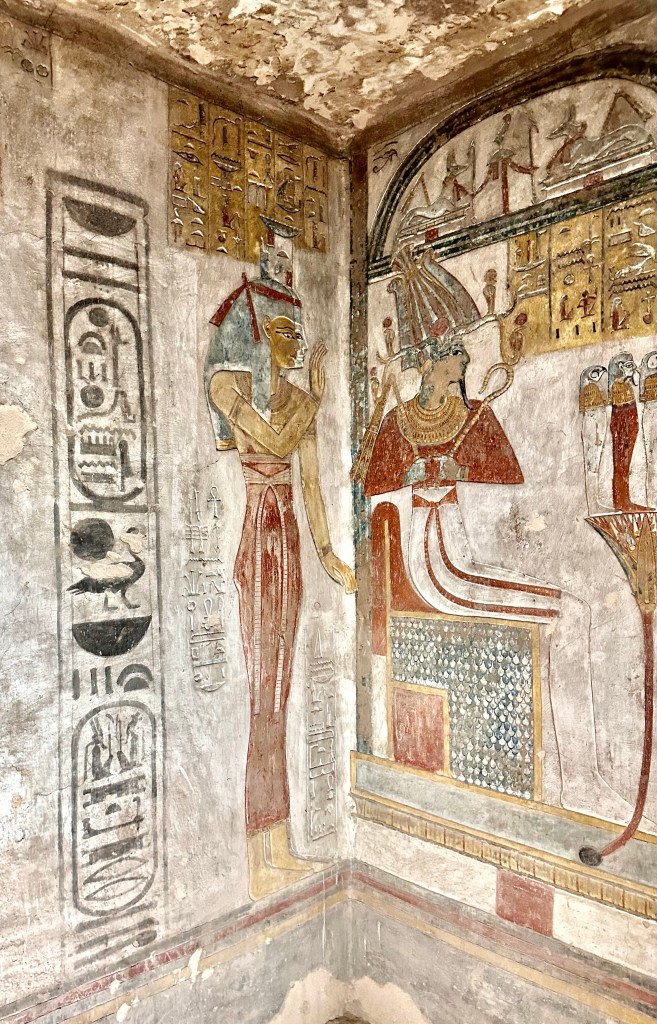
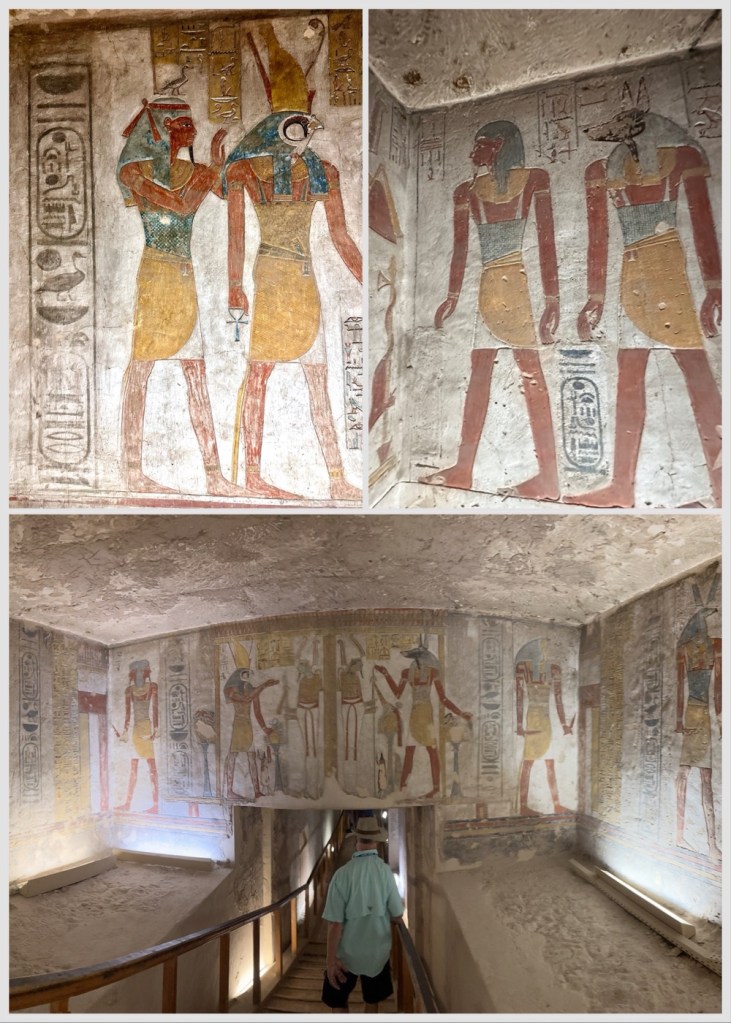
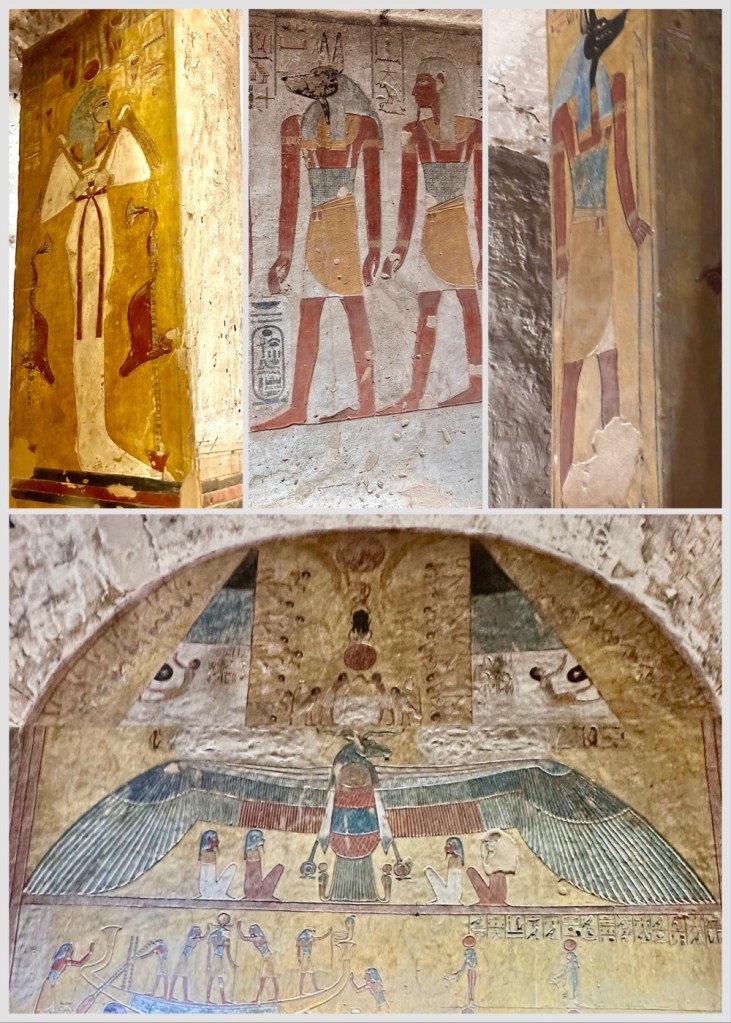
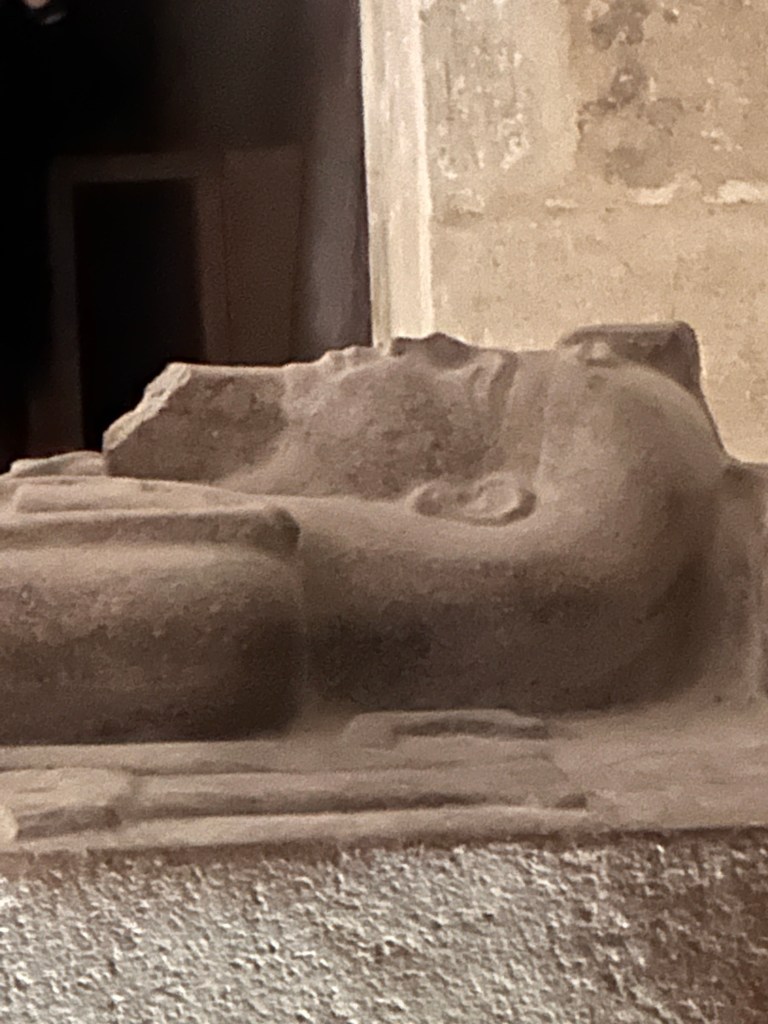
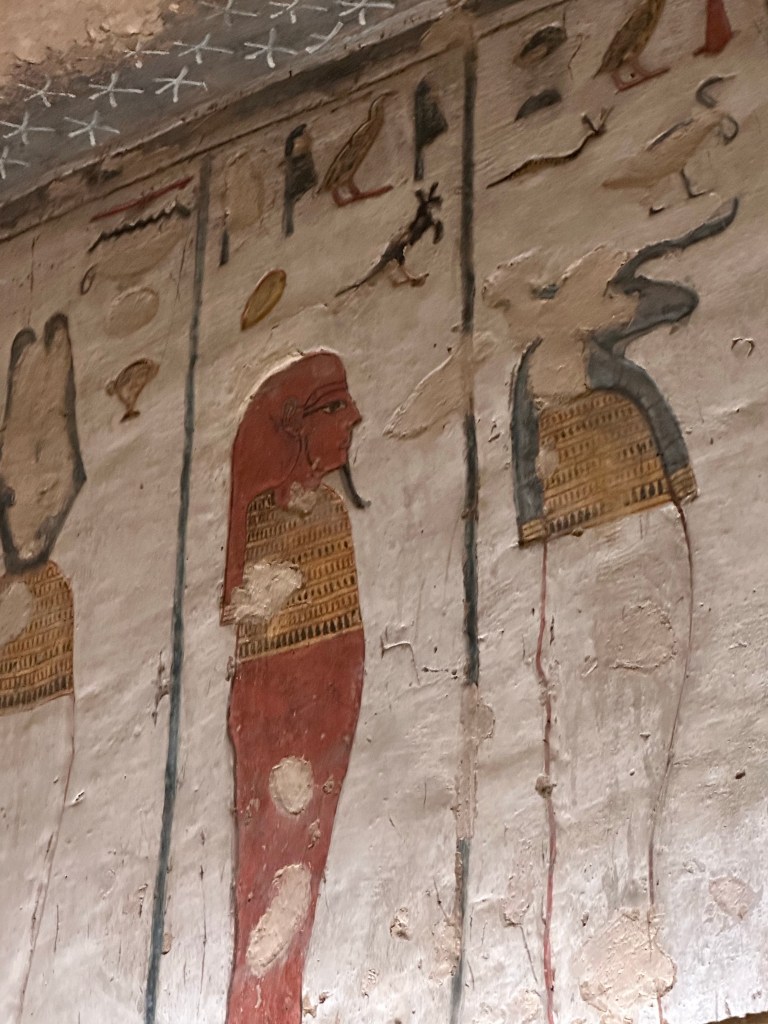
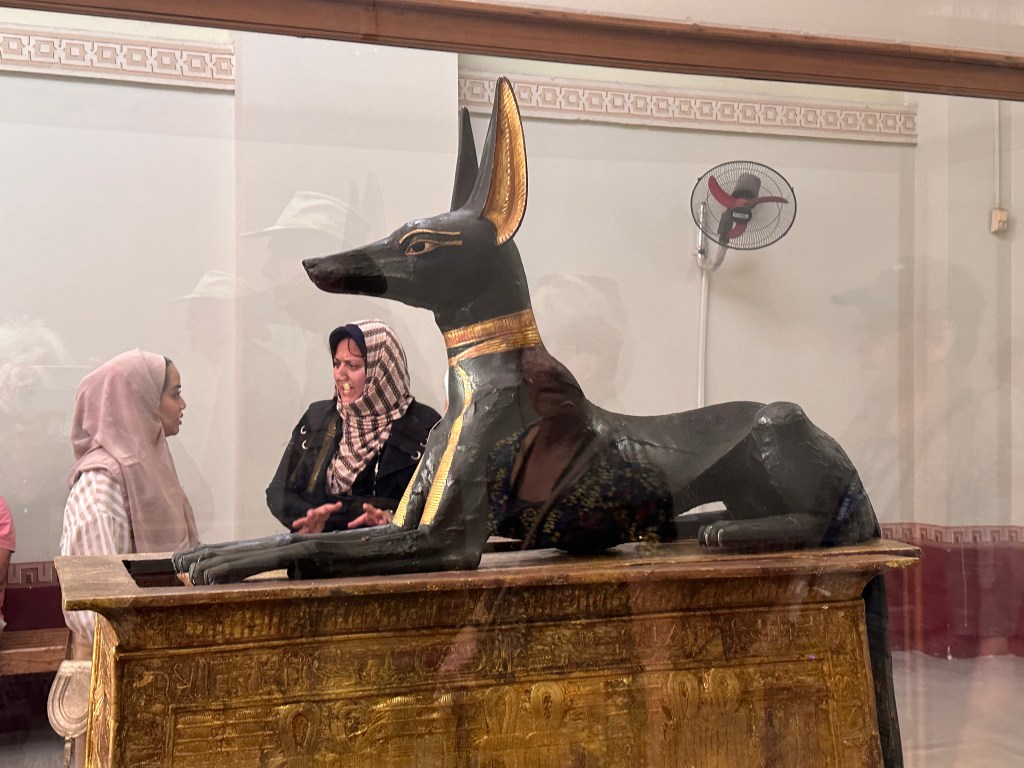
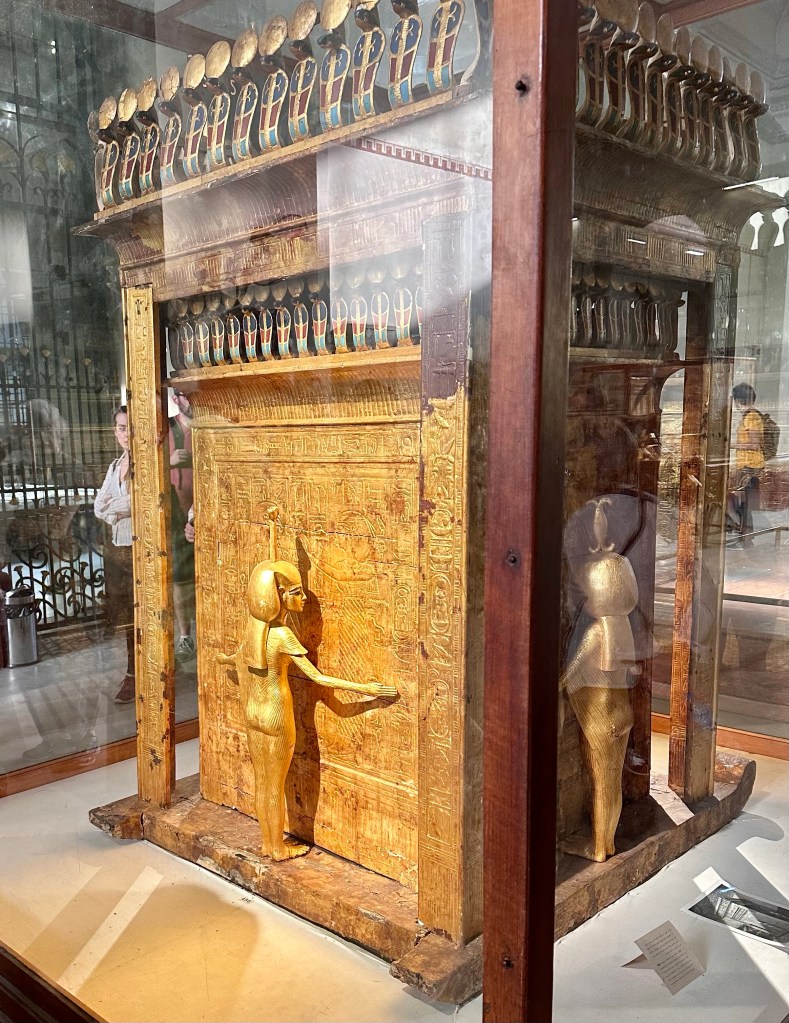
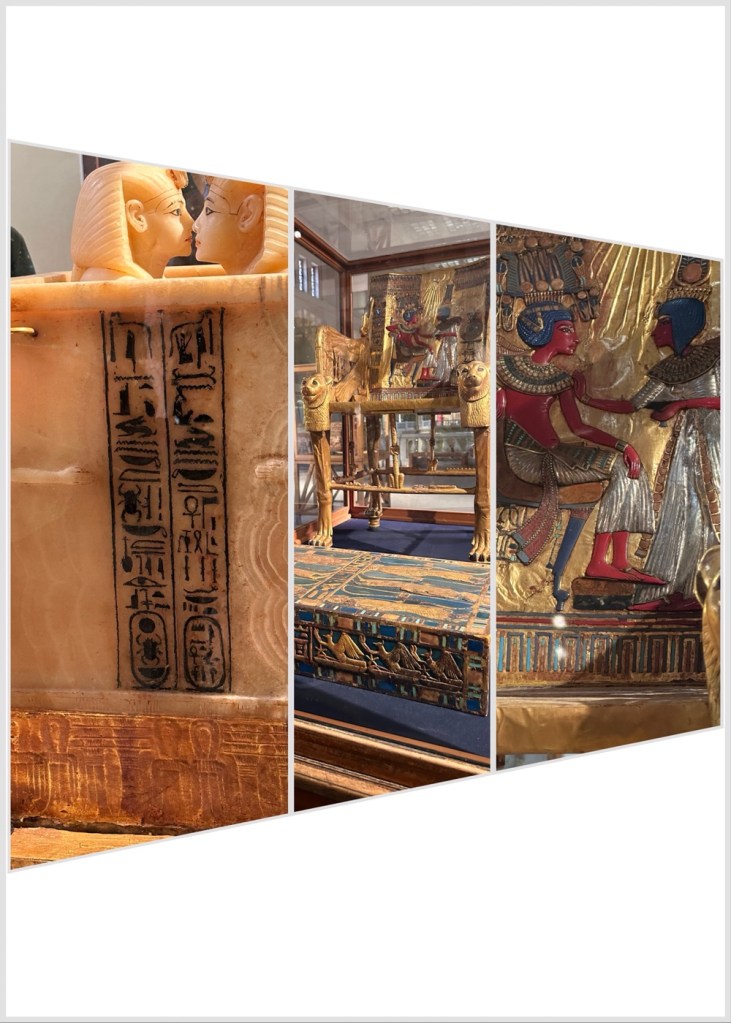
In the Valley of the Kings only 65 burial sites have been discovered with the most famous being KV 62, the royal chamber of King Tut, discovered in 1922. Three more have been discovered, latest in 2012 but they do not match the artifacts found in KV 62 or the beautiful art found in the sites we visited.
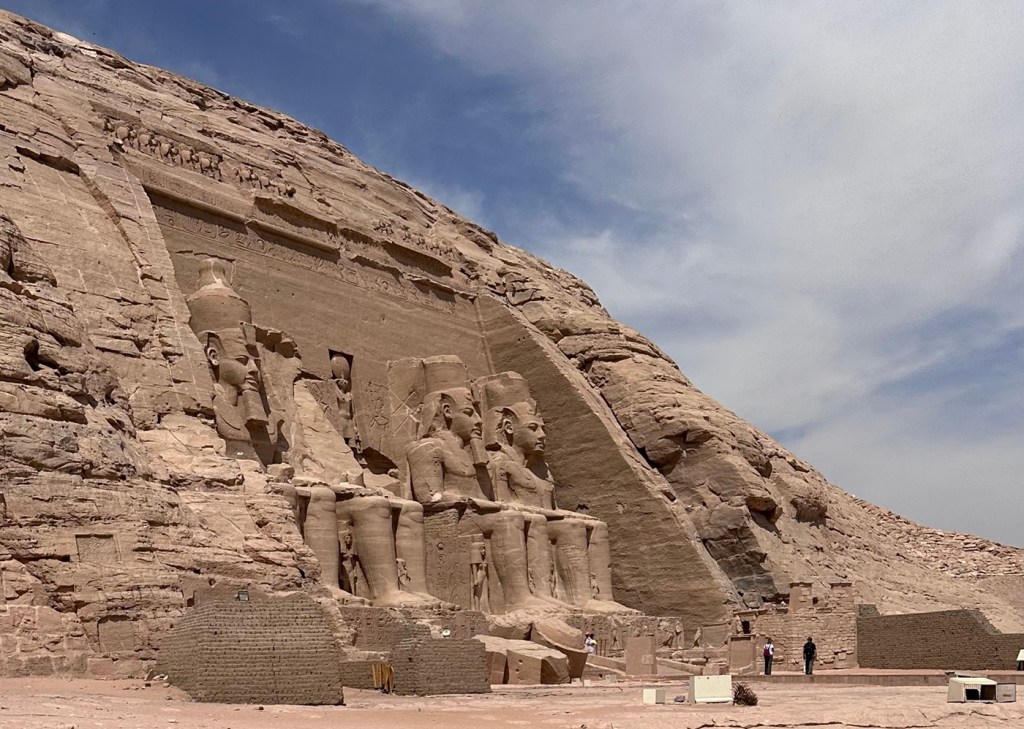
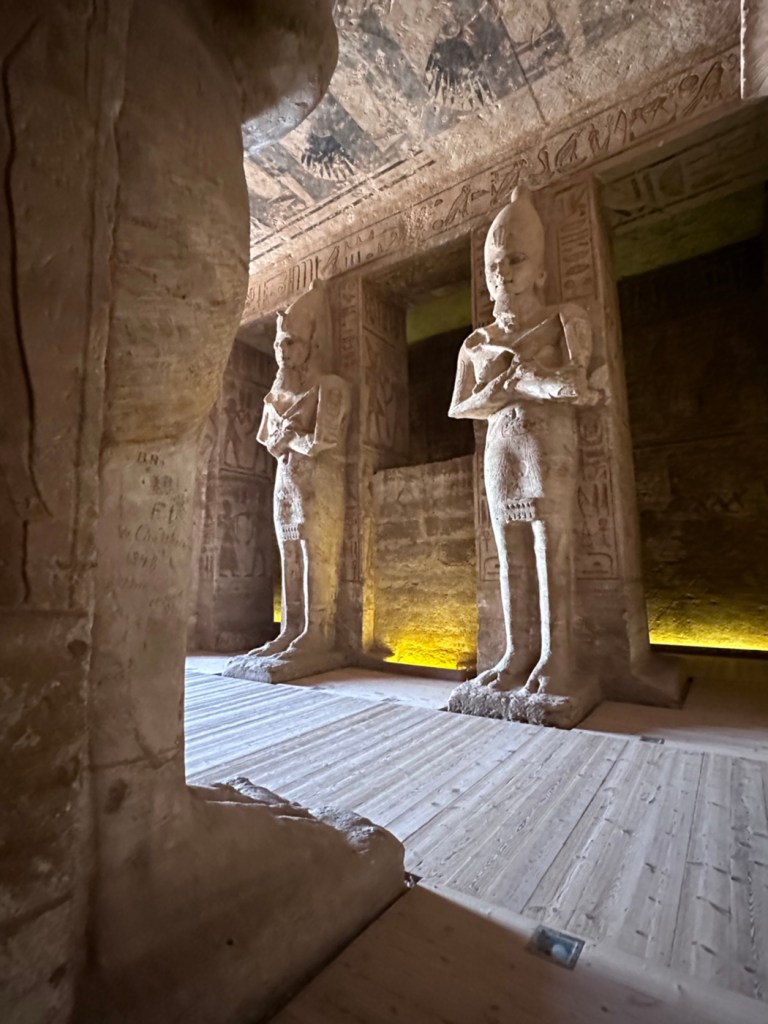
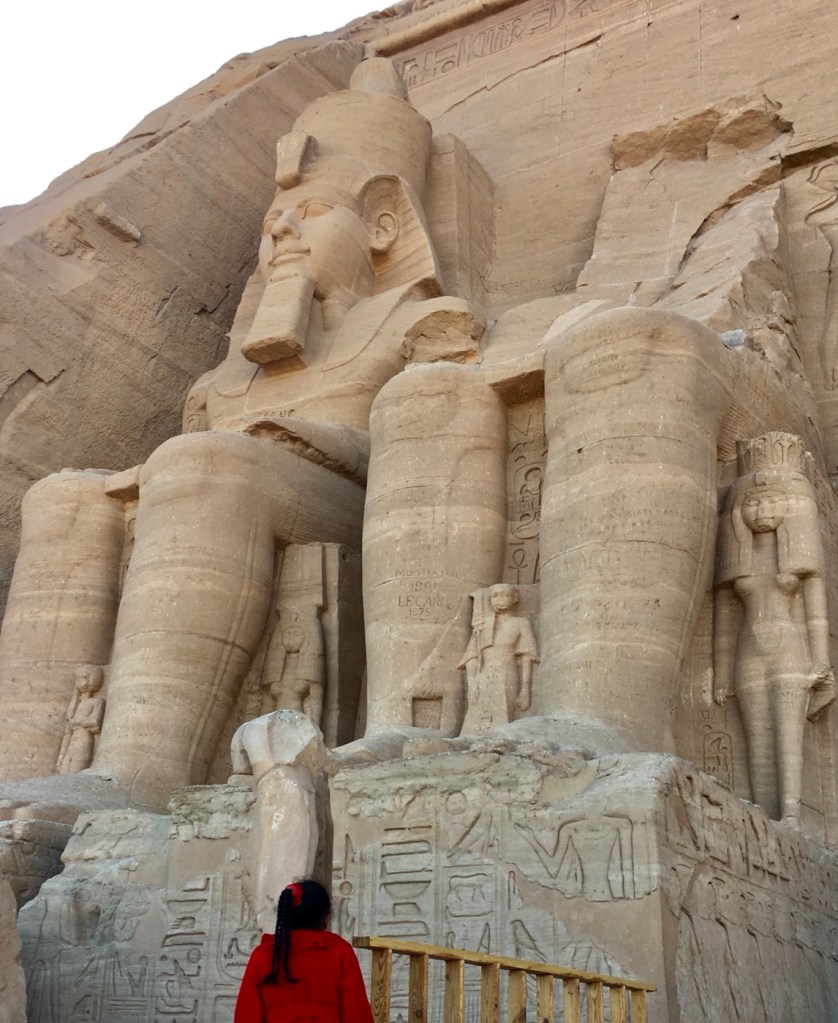
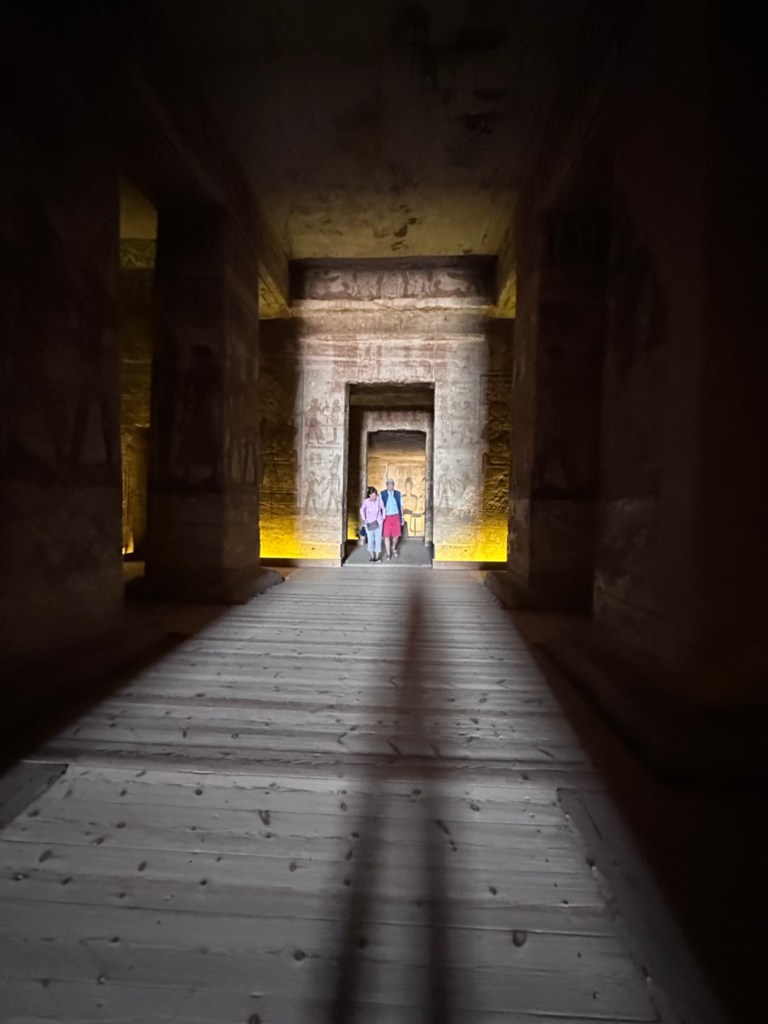
The next New Kingdom marvel, is found south of Aswan at the Abu Simbel Temples. These were build by Ramses II (1279-1213 BC) in the Egyptian part of Nubia, (near the border today with Sudan). These temples were carved out of a sandstone cliff. They became a modern engineering feat in the 1960’s (AD) when the building of the Aswan High Dam threatened to cover the structure. Engineers were able to raise it 250 feet above its original location to sit today on the shore of Lake Nasser.


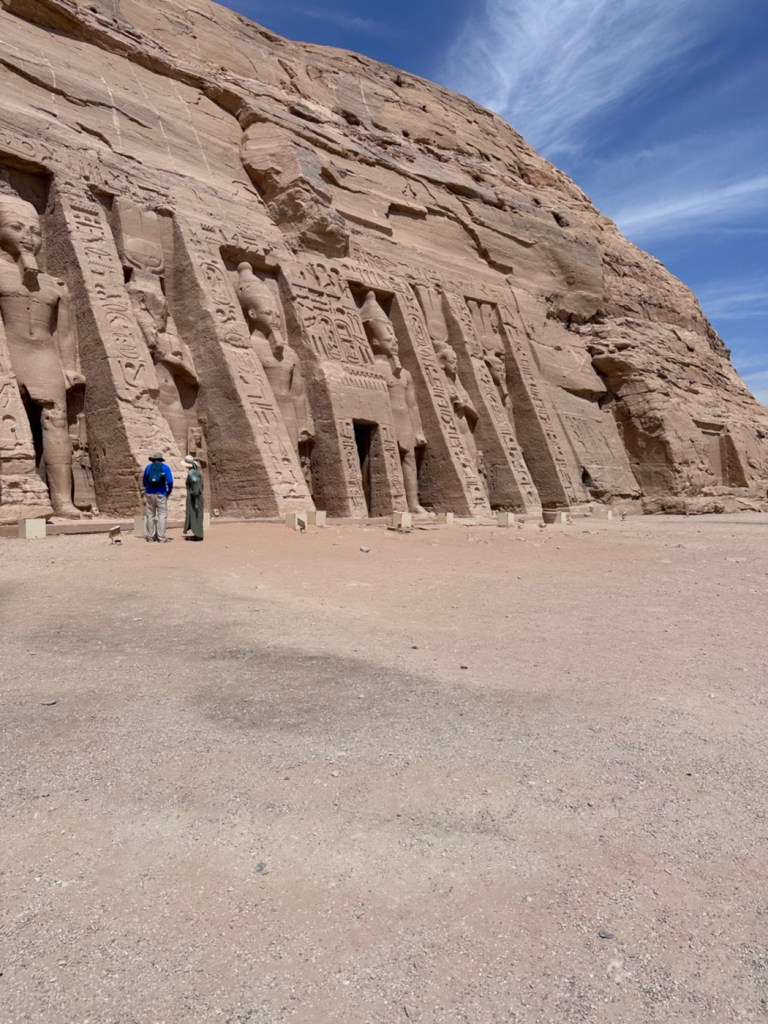
Writing about this trip has been so rewarding and has let me visit all these sites again! Photos tell such a interesting story of the ancient world and I am grateful to all the men and women who have worked so hard to preserve history for us.
I have had to double check some dates and even double check about which tomb belonged to which Pharaoh. With one more post finished, I look forward to completing our journey to Late Period, along with the Greek and Roman time in Egypt. This will take us back up the Nile to two temples at Edfu and Kim Ombo and to the temple at Philae in Aswan. Time to meet the Ptolemies and Caesars.

 Ellen’s Travel Journal 2016-2025
Ellen, thank you so much for sharing your photographs, and your interesting and informative descriptions of what you saw and experienced! It really brought things to life for me. I could tell how rewarding the trip was for you. Your posts helped me enjoy the trip, along with you.
LikeLiked by 1 person
I have learned more about Egyptian history from your posts than I ever did in World History or in many stories in the Bible.
Thank you.
LikeLiked by 1 person