
On September 1, 1939, Hitler attacked Poland and by September 19, had defeated the Polish Army, and World War II began.
One of the first acts was to first require all Jews to identify themselves by wearing a Star of David armband.
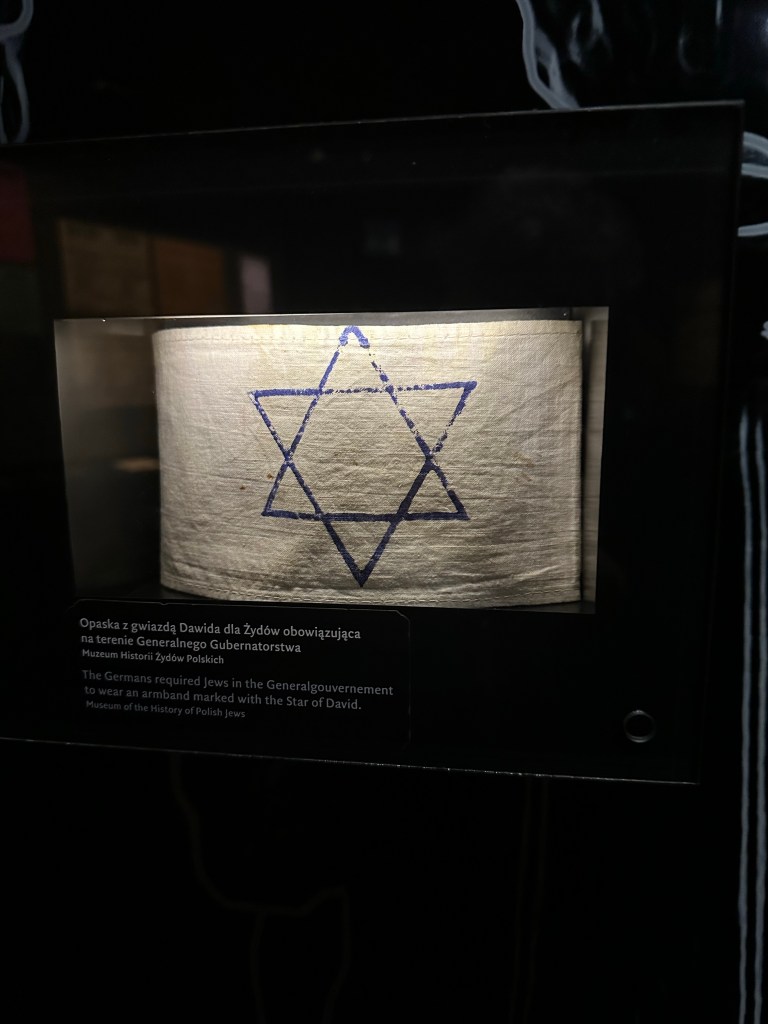
Next the Jews were to be separated from the general population in Warsaw and other towns in Poland. They were moved to a section of Warsaw called the Jewish ghetto.

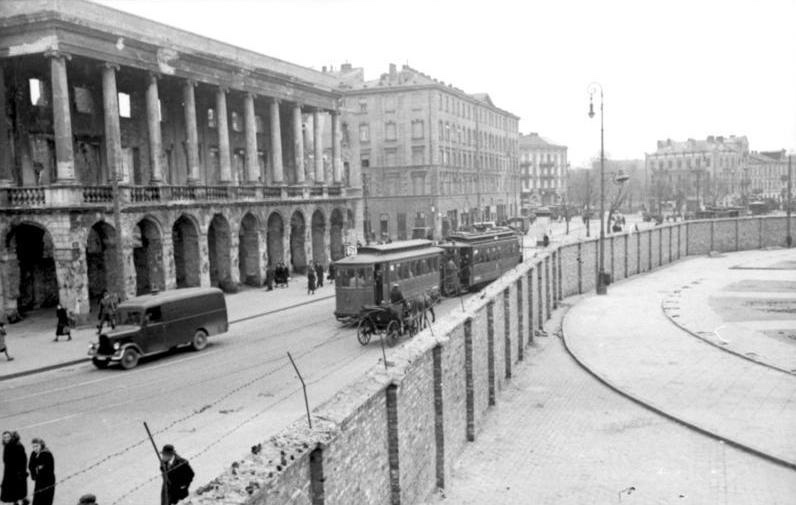
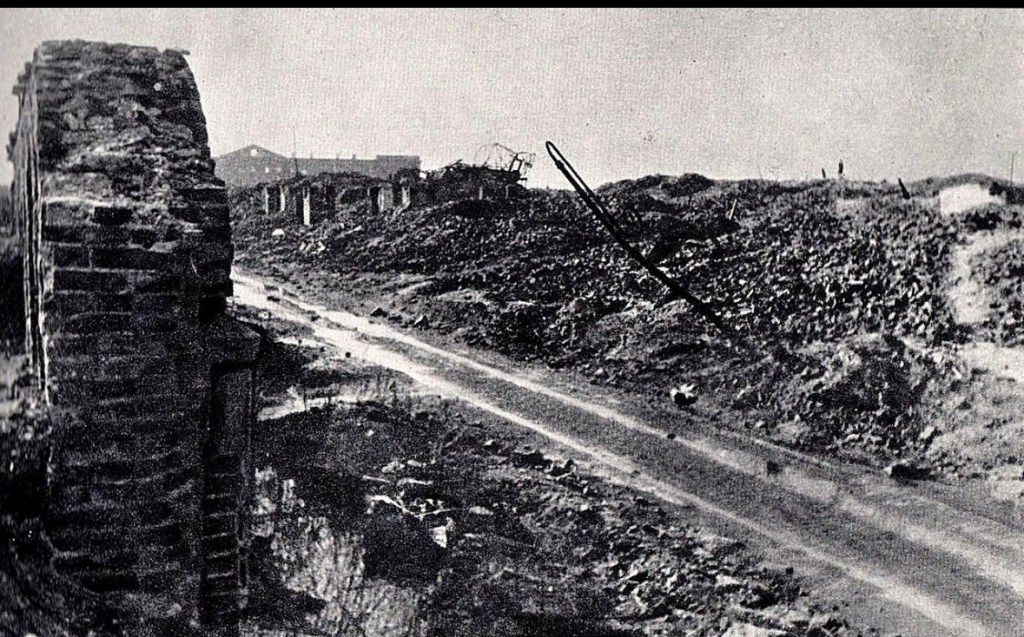
Jews living in the ghetto were then forced to build this 6 meter high wall around 2.4% of the surface of Warsaw to house the 30% of the population who were Jews. Originally the ghetto held 380,000 people with 8-9 living in one room. Later other Jews from surrounding areas were sent to the ghetto. Total number at one time was 450,000.

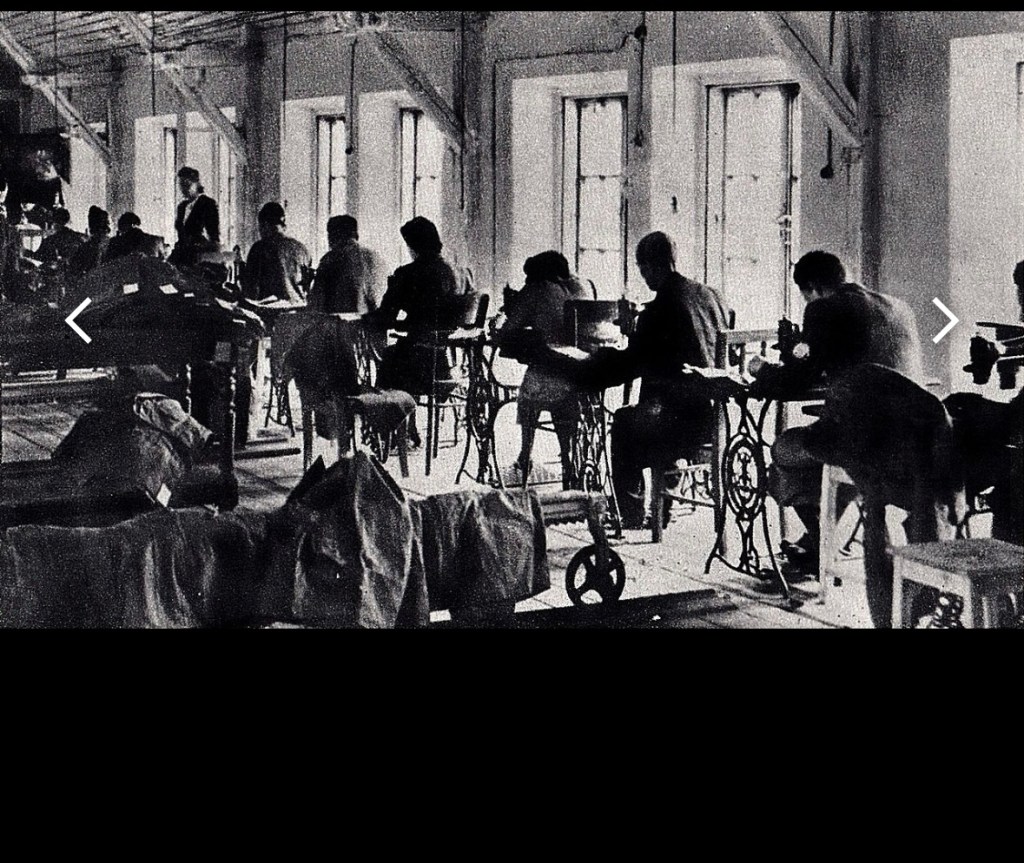
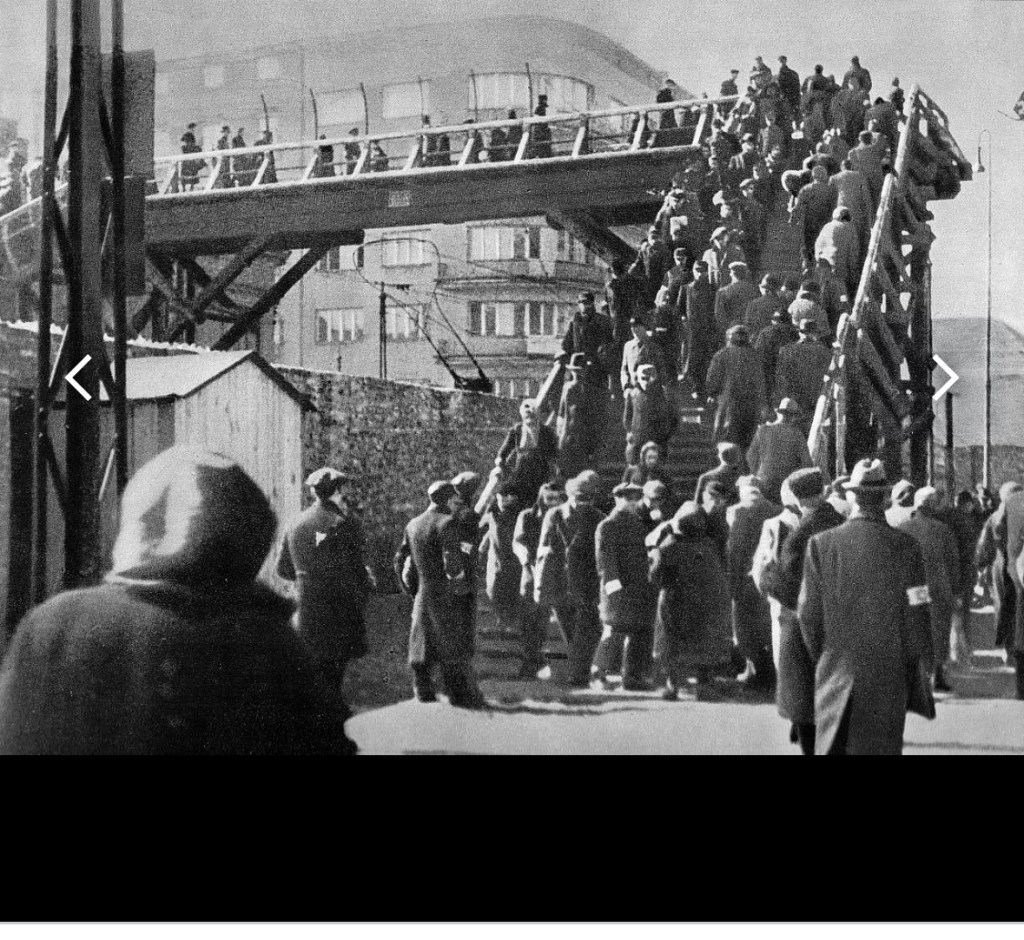
Life in the ghettos was miserable. With little food and limited sanitation or medical care hundreds of thousands of people died by starvation; disease; exposure to extreme temperatures; as well as exhaustion from forced labor. But Jews in the ghettos sought to maintain a sense of community. Schools, libraries, communal welfare services, and religious institutions provided some measure of connection among residents.
Over the years of operation, residents were sent to work camps and concentration camps called death camps. These were placed near rail routes to easily transport prisoners. As the population decreased, the ghetto leadership developed an underground movement to plan to carry out an armed resistance when the time would come. The most famous resistance was in the Warsaw Ghetto in 1943.
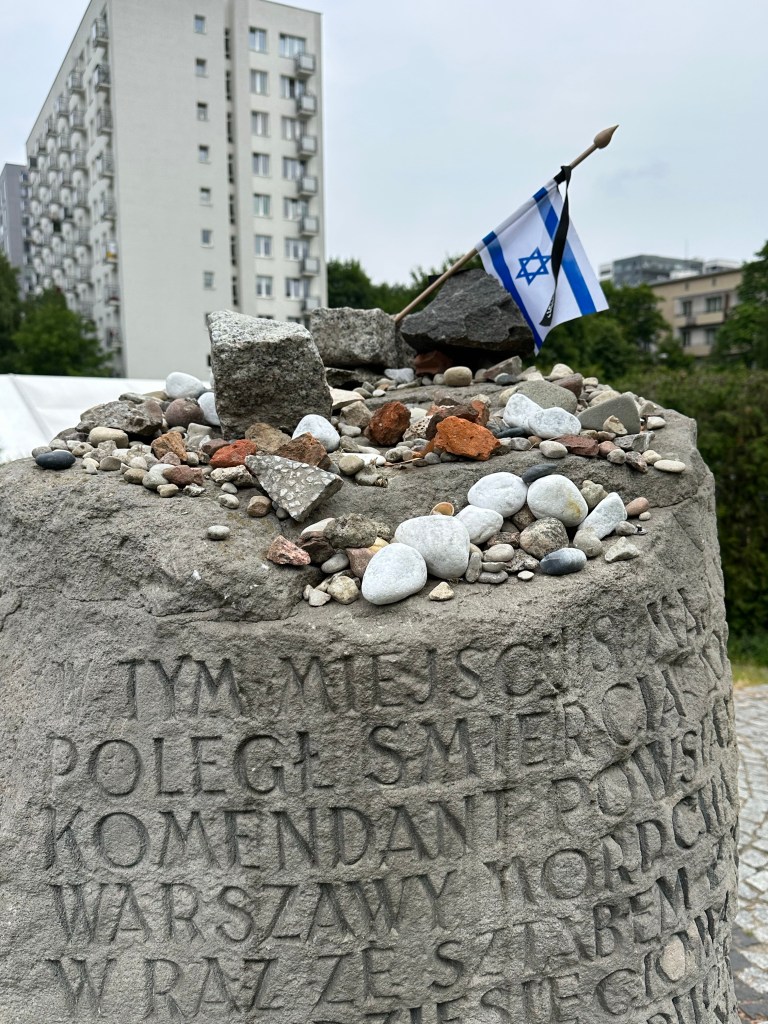
From the beginning the Jews had used the sewer tunnels to smuggle in food and medicine. In 1943 news of the final liquidation of the Jews became know. The residents remaining (56,000) began to make weapons and smuggle in guns to take a final stand. When the soldiers came in April 19th, 1943 to deport the final 56,000 they were surprised to be met with armed resistance. The uprising not only had 1000 fighters plus native Polish support from the Home Army and the Peoples’ guard.
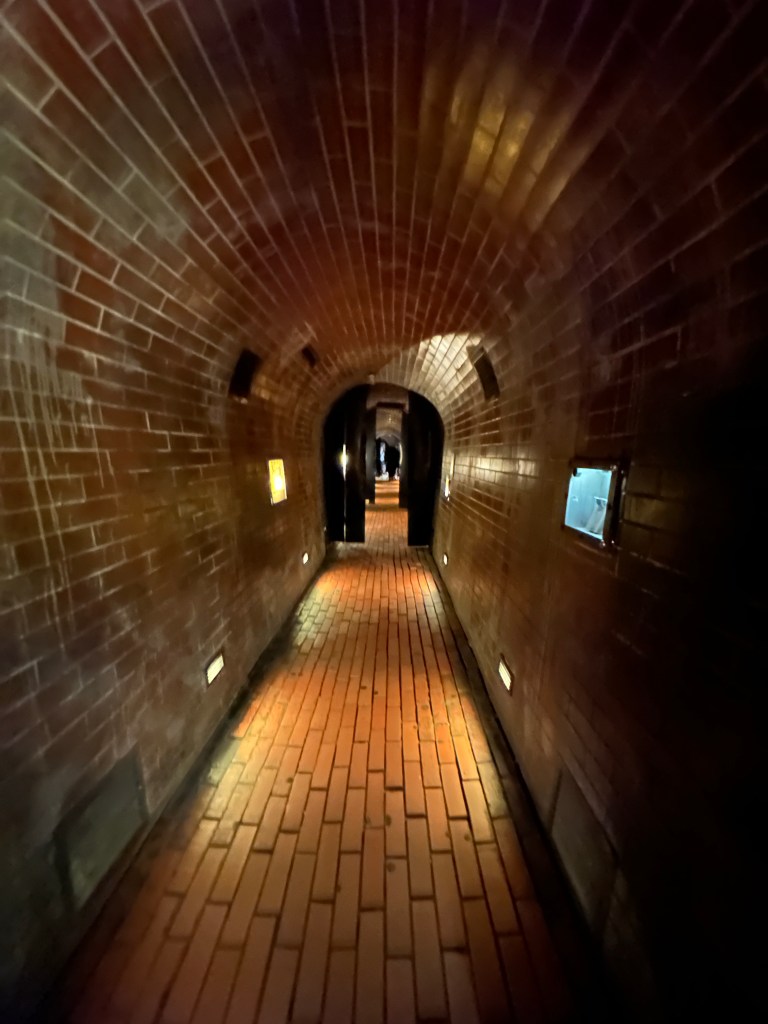
They held on until May 26th when they were finally defeated. 36,000 were moved to concentration camps and the entire Ghetto was destroyed. A few were able to hide underground, and very few escaped to hide and survive to tell their story. As a final act, the Germans completely destroyed all the building in the ghetto with bombs to kill any hiding underground.
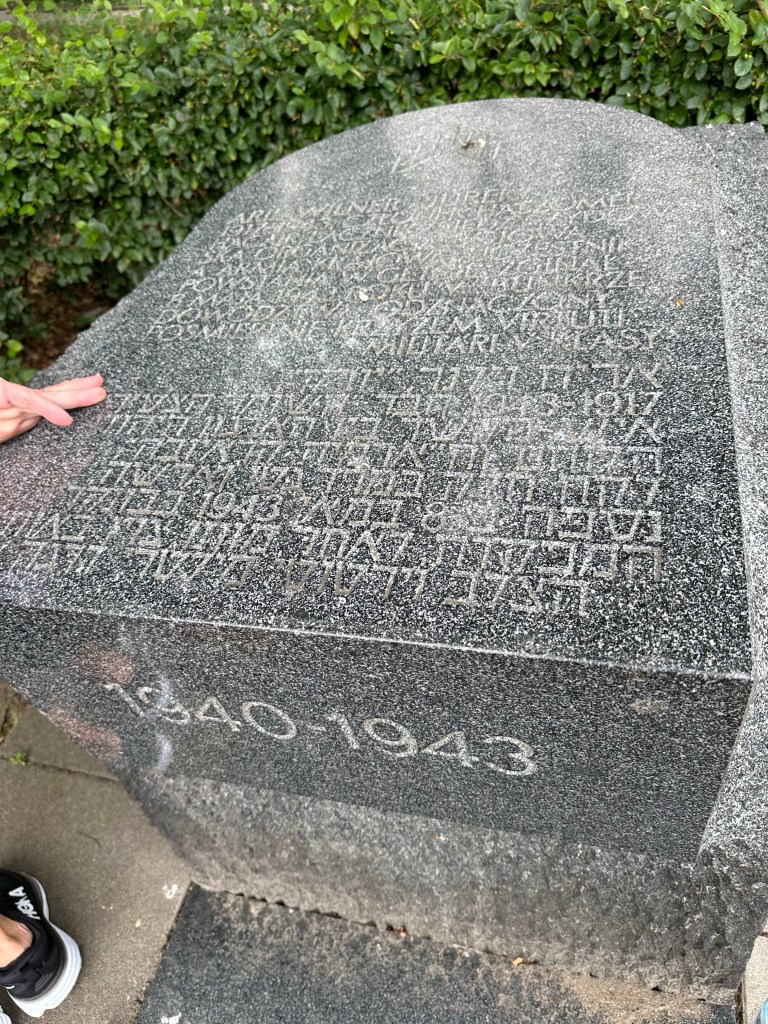
The stories from the survivors will bring tears to your eyes. Below are blocks written in Polish and Hebrew telling the stories of Heroes of the resistance.
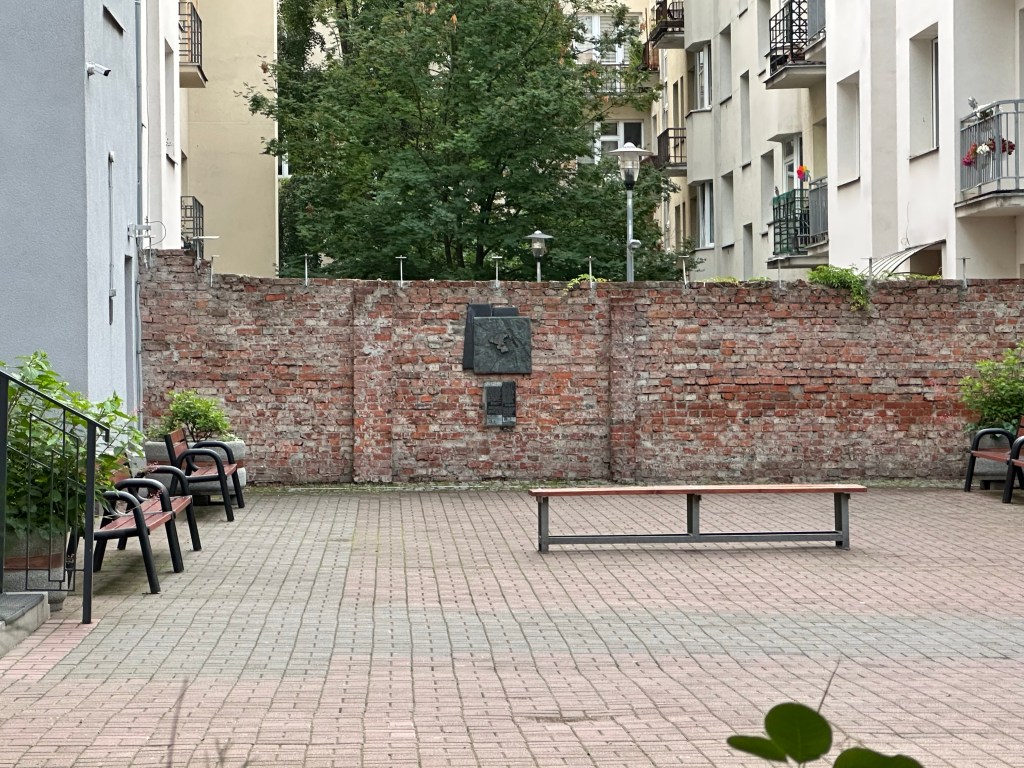
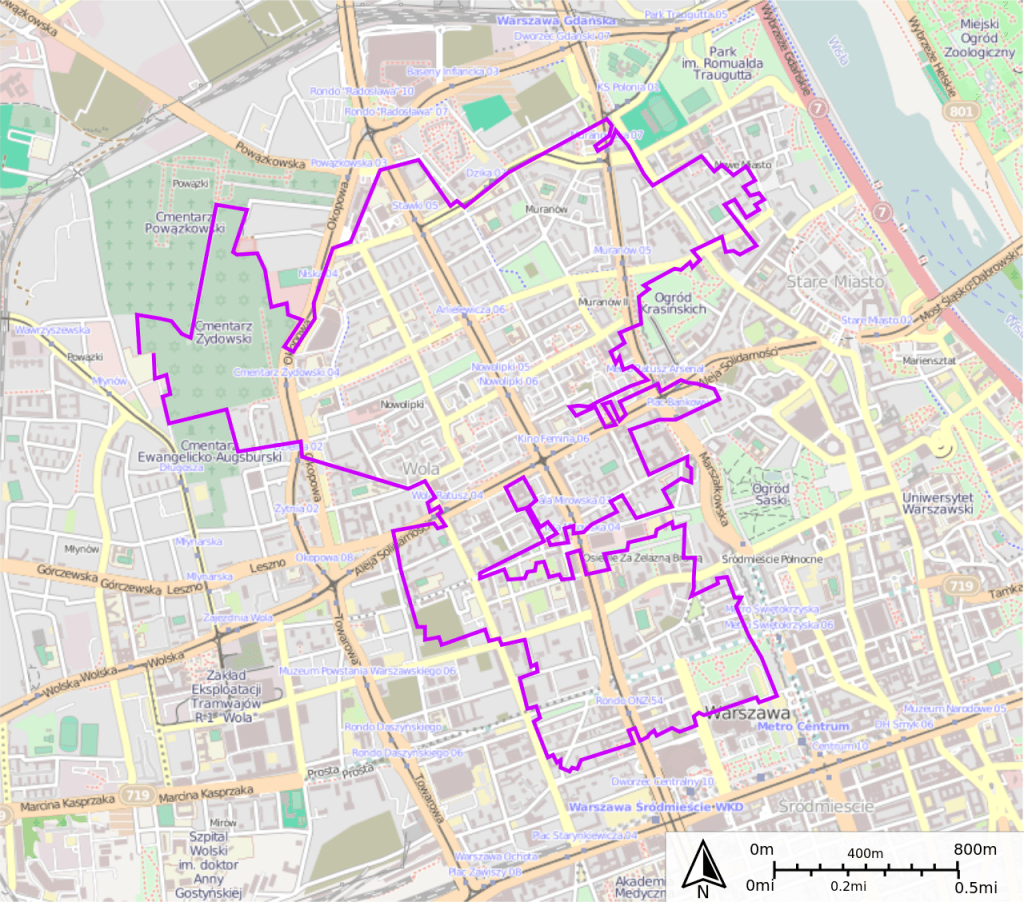
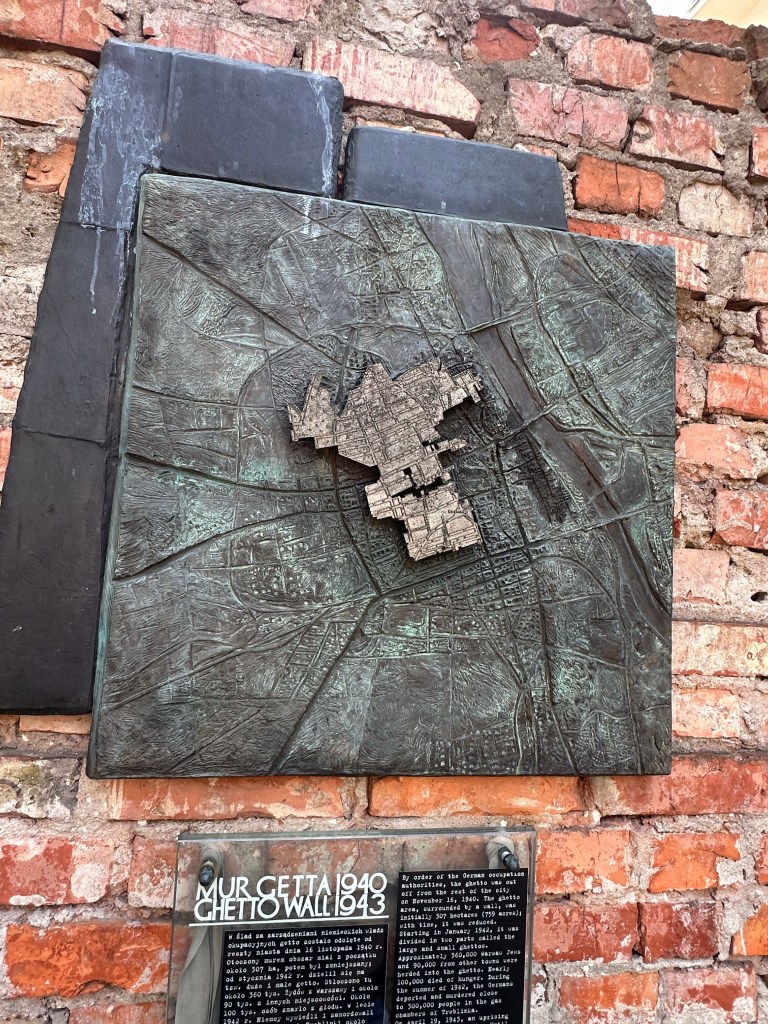
3-D map of Warsaw and the Ghetto.
“The uprising was the largest single revolt by Jews during World War II. The Jews knew that victory was impossible and survival unlikely. Marek Edelman, the only surviving ŻOB commander, said their inspiration to fight was “not to allow the Germans alone to pick the time and place of our deaths”. According to the United States Holocaust Memorial Museum, the uprising was “one of the most significant occurrences in the history of the Jewish people”.[6]” copied from (en.m.wikipedia.org)
Thanks for reading about this sad history. We will be visiting concentration camps, so my story will continue.
Ellen


Unbelievable atrocities committed against the Jewish people. I don’t know if I could physically handle the upcoming concentration camps. It’s just so heartbreaking. 🙏
LikeLike